Google Messages tests redesigned ‘photo picker’ feature: Details here

Google Messages tests redesigned ‘photo picker’ feature: Details here


has begun testing a newly designed gallery-focused ‘photo picker’ in its Messages feature.


The redesigned photo picker has already started to appear for some users, reports 9To5Google.


According to the report, the new picker launched from the left of the text field displays the most recent photo of the camera roll below a live camera and a shortcut to open the smartphone’s ‘Gallery’ next to it.


Users can see 22 more images by swiping left and also get a shortcut to quickly open the camera.


The pane gets bigger as the user scrolls down and can comfortably display 15 images at once. The user can find floating action buttons (FABs) for the camera and folders in the bottom-right corner.


The update improves the usability of a regularly used component.


“Today’s large (and tall) screens can be effectively used by allowing users to quickly switch to a gallery view by swiping up,” the report said.


Meanwhile, the tech giant recently started testing end-to-end encryption, like or Telegram, to its Messages’ group chats.


The tech giant first announced its plan to provide end-to-end encryption to group chats over RCS (Rich Communication Services) in the Messages app earlier this year.


–IANS


aj/na

(Only the headline and picture of this report may have been reworked by the Business Standard staff; the rest of the content is auto-generated from a syndicated feed.)


Source link

Explained: What is Matter, the new standard for smart home IoT devices

Explained: What is Matter, the new standard for smart home IoT devices


The Connectivity Standard Alliance (CSA), which creates and evolves universal open standards for Internet-of-Things (IoT) devices, on November 3 announced Matter. It is a new protocol created to have a common standard for the interoperability of Internet of Things (IoT) devices. The idea of Matter was first discussed in 2019, and now there are more than 200 member companies – including Apple, Google, Samsung, – backing the new standard. Here is everything to know about Matter.


Matter: What is it

Matter is a universal connectivity standard to make the use of smart home devices and IoTs simpler. It is an open source protocol, which allows users to connect different smart home devices and with each other. Products incorporating the Matter standard will feature a unique logo, signifying interoperability with certified Matter products from any manufacturer.


Matter: Why is it needed

Smart home devices manufactured by different companies do not necessarily work together. A smart home assistance from one brand may not work with the smart bulb from a particular brand, which means you cannot switch on your smart lights using voice command.


This leaves customers with two choices, either opt for a smart home product that individually works best for their needs but not necessarily together, or they can buy all the smart home products from a particular brand, so that all devices work together in an ecosystem. For instance, HomeKit products.


However, Matter can solve all the above problems. Matter certified products could work together seamlessly, even if they are from different brands. It means, as a consumer, you do not have to stick to one brand for all smart home devices. With Matter, you can now have Philips Hue lights work with smart home products. Also, Matter allows users to control all the IoT devices from individual apps. This means, a device set up in Home will also appear in the SmartThings app and vice versa, so users no longer have to remember which app controls the lights and which controls the smart speakers.


Matter: How it works

Matter’s underlying network technologies are and Thread. enables Matter devices to interact over a high-bandwidth local network and allows smart home devices to communicate with the cloud. Thread provides an energy efficient and highly reliable mesh network within the home. It secures data in an encrypted manner and is highly stable. If one of your smart home devices stops working, the network will adjust and carry on without it.


Matter: Compatible devices

Smart home devices makers would need Matter certification to make their devices compatible. Once certified, the existing smart home devices can be upgraded with software updates. Currently, the certification is available for a variety of common smart home products, including smart light bulbs, smart plugs and switches, heating and cooling devices, window coverings and shades, door locks, media devices including TV. Other products, such as security cameras, will have to wait for the next iteration of the standard. Smartphone apps such as the Home app and the Home app will also be supported by Matter.


Source link

Twitter delays launch of Blue subscription service after US midterms

Twitter delays launch of Blue subscription service after US midterms


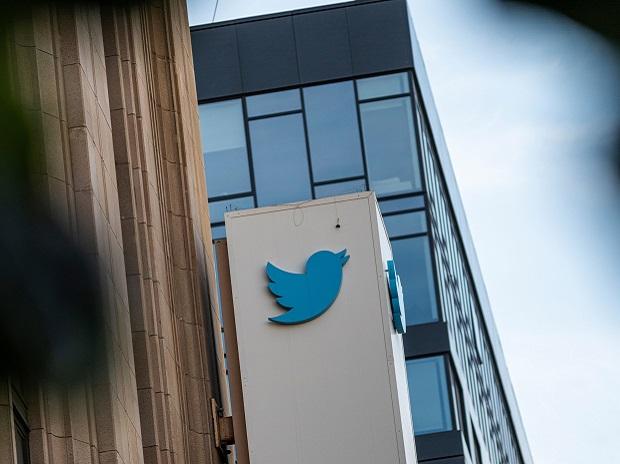
has delayed the roll out of its much-anticipated Blue subscription service with verification tag for $8 after the US midterm elections on Tuesday, the media reported.


The company “made the decision to move the launch of this release to November 9, after the election”, according to a report from The New York Times, citing an internal memo.


Musk initially wanted employees to roll out Blue with verification by November 7 “and threatened to fire them if they didn’t meet this deadline”.


The new Blue service comes with fewer ads, search priority, an ability to post longer videos, and a blue badge.


Anyone can now get a verified checkmark if they pay for Blue every month, which has sparked serious concerns over how to spot real accounts from fake ones.


Twitter updated its app on iOS last week with a mention of the new Blue subscription.


Earlier, Twitter used to closely review public applications to let users earn the blue badge on the micro-blogging platform.


The company last year relaunched the verification programme with six categories — government; companies, brands and organisations; news organisations and journalists; entertainment; sports and gaming; and activists, organisers and other influential individuals.


Twitter was set to introduce more categories, such as those for scientists, academics and religious leaders.


Once the application was submitted, the applicants expected an emailed response within a few days.


Twitter previously suspended the verification way back in 2017, before relaunching it in 2021.


–IANS


na/ksk/

(Only the headline and picture of this report may have been reworked by the Business Standard staff; the rest of the content is auto-generated from a syndicated feed.)


Source link

Customers will have to wait longer for iPhone 14 Pro models: Apple

Customers will have to wait longer for iPhone 14 Pro models: Apple


As people complain about no availability of high-end new iPhones, has announced it expects lower shipments than it previously anticipated, and the customers will have to wait longer to receive their new devices.


The company said that restrictions related to Covid-19 have temporarily affected the main 14 Pro and 14 Pro Max assembly facility in Zhengzhou, China.


The facility is currently operating at a significantly reduced capacity.


“As we have done throughout the Covid-19 pandemic, we are prioritising the health and safety of the workers in our supply chain,” the tech giant said in a statement late on Sunday.


“We are working closely with our supplier to return to normal production levels while ensuring the health and safety of every worker,” the company added.


14 Pro models demand has already exceeded its capacity to produce the new handsets.


In a note to investors, Analyst David Vogt from investment bank UBS examined wait times for Apple’s Pro range of smartphones using information that tracked iPhone availability across 30 countries.


According to the report, the waiting time for the iPhone 14 Pro and iPhone 14 Pro Max had risen by five to 25 days each in the US.


–IANS


aj/na/ksk/

(Only the headline and picture of this report may have been reworked by the Business Standard staff; the rest of the content is auto-generated from a syndicated feed.)


Source link

Foxconn says working to resume China production as soon as possible

Foxconn says working to resume China production as soon as possible


TAIPEI (Reuters) -Taiwan’s Foxconn, Inc’s biggest iPhone maker, said on Monday it was working to resume full production at a major plant in China’s Zhengzhou as soon as possible that has been hit by COVID-19 curbs, and revised down its fourth quarter outlook.


ordered an industrial park that houses an iPhone factory belonging to to enter a seven-day on Wednesday, in a move set to intensify pressure on the supplier as it scrambles to quell worker discontent at the base.


The Zhengzhou Airport Economy Zone in central said it would impose “silent management” measures with immediate effect, including barring all residents from going out and only allowing approved vehicles on roads within that area.


Foxconn, the world’s largest contract electronics maker, said in a statement that the provincial government in Henan, where Zhengzhou is located, “has made it clear that it will, as always, fully support in Henan”.


is now working with the government in concerted effort to stamp out the pandemic and resume production to its full capacity as quickly as possible.”


In a statement released at the same time, said it expects lower iPhone 14 Pro and iPhone Pro Max shipments than previously anticipated as COVID-19 restrictions temporarily disrupt production in Zhengzhou.


Apple’s new iPhone 14 went on sale in September.


Foxconn, formally Hon Hai Precision Industry Co Ltd, is Apple’s biggest iPhone maker, accounting for 70% of iPhone shipments globally. It makes most of the phones at the Zhengzhou plant where it employs about 200,000 people, though it has other smaller production sites in India and southern .


Having previously guided for “cautious optimism” in the fourth quarter, Foxconn said it will “revise down” its outlook given events in Zhengzhou.


However, the firm reported October sales had soared 40.97% year-on-year, a record high for the same period, but down 5.56% compared to the previous month.


“Benefiting from the launch of new products in October, stable demand for major products, and strong demand in the server market, revenue in all four major product segments grew,” it said, referring to computing products, smart consumer electronics products, and cloud and networking products.


Computing products, smart consumer electronics products, and cloud and networking products all showed double-digit growth last month, compared to the same period last year, the company added.


The fourth quarter is traditionally the hot season for Taiwan’s tech as they race to supply cellphones, tablets and other electronics for the year-end holiday period in Western markets.


Foxconn releases third-quarter earnings on Nov. 10.


(Reporting by Ben Blanchard; Editing by Daniel Wallis)

(Only the headline and picture of this report may have been reworked by the Business Standard staff; the rest of the content is auto-generated from a syndicated feed.)


Source link

YouTube
Instagram
WhatsApp