Google reportedly plans Aluminium OS launch in 2026: MacBook Neo effect?

Google reportedly plans Aluminium OS launch in 2026: MacBook Neo effect?


Google has reportedly said that it is on track to release Aluminium OS, its unified operating system based on the ChromeOS and Android platforms, in 2026. According to a report by Android Authority, on the sidelines of MWC 2026 (held from March 2 to March 5), president of the Android Ecosystem at Google, Sameer Samat, was asked if Google still expects Aluminium OS to arrive in 2026. As per the report, Samat said he was “super excited” about what is coming later this year. 

The report followed Apple’s low-cost MacBook powered by the A18 Pro chip, called the MacBook Neo. Despite being a budget device, the MacBook Neo runs the same macOS as Apple’s higher-end MacBook Pro models powered by M5 Pro and M5 Max chips. At nearly half the price of a MacBook Air M5, the MacBook Neo delivers the full macOS experience, which is a significant move in expanding Apple’s ecosystem to more affordable devices. 


The key advantage of running the same operating system is that even the lower-cost MacBook continues to support Apple’s ecosystem features such as Handoff. For the uninitiated, Apple Handoff is a continuity feature that lets users start a task on one Apple device and instantly continue it on another nearby device using the same Apple ID. For example, you can begin writing an email on an iPhone and seamlessly finish it on a Mac or iPad without restarting the task. 


How could Google’s ecosystem compete with Apple’s Handoff?


Recent developments suggest that Google may be trying to compete more directly with such ecosystem features. The company has been testing an Apple Handoff-like capability in the Android 17 Beta 1 update. The feature, called Handoff, will allow users to move an app activity from one Android device to another nearby device. Supported apps are likely to resume the same task through the app itself or via a web link, enabling smoother cross-device continuity. 


If this capability eventually becomes part of Aluminium OS, it could play a central role in Google’s broader ecosystem strategy. Integrating seamless cross-device continuity across smartphones, tablets, and PCs could allow Google to compete more directly with one of Apple’s strongest ecosystem advantages.


Desktop mode for Android phones


In related news, earlier last week, Google began rolling out a desktop-style interface for select Pixel devices with the March Pixel Drop. According to a report by The Verge, Pixel 8 and newer models can connect to an external monitor to access a desktop-like environment that supports multi-window apps along with mouse and keyboard input.


With the Android 16 QPR3 release, Google said connected display support is now generally available. When a compatible Android phone or foldable is connected to a monitor, it launches a separate desktop-style session instead of simple screen mirroring, allowing users to run resizable app windows, multitask with a taskbar, and move apps or the cursor across multiple displays. 


Will ChromeOS devices upgrade to Aluminium OS?


Earlier in January, Google confirmed that not all devices running ChromeOS will be able to upgrade to the upcoming operating system due to hardware specification limits. According to a report by Android Authority citing Chrome Unboxed, ChromeOS VP of Product Management John Maletis said some older devices may not meet the technical requirements needed for the new OS. 


However, Maletis emphasised that ChromeOS is not being discontinued. He said Google plans to enable upgrades for many newer devices wherever possible and will continue supporting Chromebooks, noting that millions of students, consumers, and workers rely on them for everyday use. 


According to a 9To5Google report, filings submitted by Google in a US court suggest the company intends to gradually wind down ChromeOS by 2034. The documents reportedly state that many current Chromebooks are not compatible with the upcoming Aluminium OS, which means Google will need to continue supporting ChromeOS until at least 2033 in order to fulfil its 10-year update promise to existing users. 


Once that support window closes, Google is expected to begin moving away from ChromeOS entirely. This indicates that the platform may continue mainly to meet current obligations rather than playing a central role in the company’s long-term strategy.


Aluminium OS: What features could the new Google platform bring?


Earlier at Qualcomm’s Snapdragon Summit 2025, Google announced that Android for PC would arrive as part of its plan to merge ChromeOS and Android into a single platform. Aluminium OS is reportedly being developed with AI as a foundational element, pointing to tight integration with Google’s Gemini model. 


While Gemini already enables advanced on-device AI features on high-end smartphones, the listing suggests Google is preparing to extend these capabilities to larger-screen devices, moving beyond Chromebooks’ traditional focus on the entry-level segment. 


As per the 9To5Google report, Google is also planning to support a wide variety of hardware, such as laptops, detachable devices, tablets, and set-top boxes, across both budget and premium segments. This suggests Google aims to position Aluminium OS as a competitor in the high-end PC space alongside Windows and macOS, rather than restricting it to lower-cost devices.


Source link

Samsung prepares Meta Ray-Ban rival AI glasses for 2026: What to expect

Samsung prepares Meta Ray-Ban rival AI glasses for 2026: What to expect


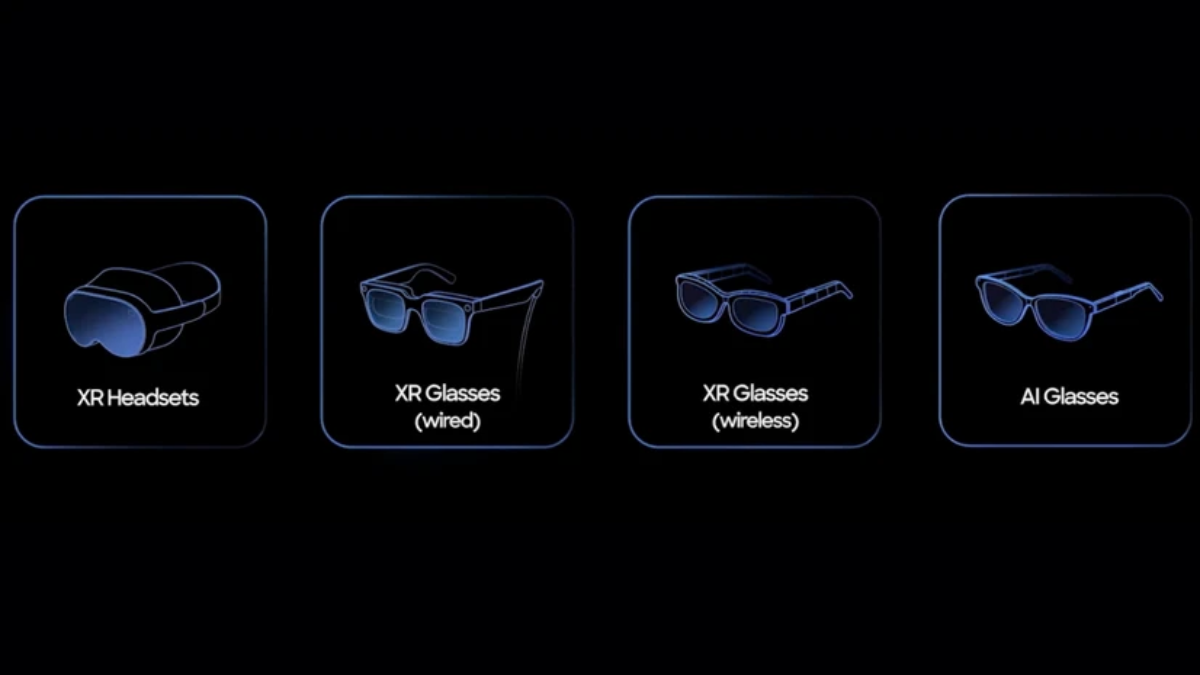
Samsung has shared a few details about its upcoming smart glasses. According to a report from 9To5Google, Samsung executive Jay Kim spoke about the device in an interview with CNBC and confirmed some features, including a camera placed at “eye level” and support for connecting to a smartphone. Samsung has been working on extended reality (XR) and smart glasses devices for some time.


Samsung has been working with US-based chipmaker Qualcomm and technology company Google to develop a new ecosystem of AI-driven wearable devices. This partnership, which features Qualcomm’s specialised chipsets and Google’s Android XR platform, focuses on combining advanced AI capabilities with seamless smartphone connectivity. The first product from this partnership was the Galaxy XR headset, which went on sale last year in select regions and was based on Google’s Android XR.


Samsung smart glasses: What we know


According to a report by 9To5Google, during the interview Kim confirmed a few features that Samsung is planning for its first pair of smart glasses. One of the key elements mentioned is a camera positioned at “eye level”. This could allow the glasses to capture photos or videos from the user’s point of view.


Artificial intelligence is also expected to play a role in the experience. As reported, Kim said the AI will be able to understand “where you’re looking at”, which could allow the system to analyse objects or scenes in front of the user and provide relevant information. Samsung has earlier confirmed that its AI glasses will be powered by Gemini AI.


As reported, Kim also said the glasses will connect to a smartphone, suggesting that much of the processing may take place on the phone rather than inside the glasses themselves. Visual data captured by the glasses could be sent to the smartphone, where the AI analyses the scene and provides contextual responses. 


However, Samsung did not confirm whether the glasses will include a built-in display. When asked about this, Kim reportedly noted that users could rely on other devices, such as smartphones or smartwatches, if they need a screen. This has led to speculation that Samsung could be developing different versions of the glasses, including models with and without a display.


According to the report, the company is aiming to launch its first smart glasses in 2026, marking Samsung’s entry into the growing AI wearables market. Qualcomm CEO Cristiano Amon has also suggested a similar timeline for the device, indicating that development is already underway.


Ray-Ban Meta AI glasses


A key rival in the AI glasses segment is Meta, which has already launched its Ray-Ban Meta (Gen 2) AI glasses in India. The wearable, developed in partnership with eyewear brand Ray-Ban, offers upgrades such as 3K video recording, improved battery life of up to eight hours and additional design options compared with the first-generation model.


Meta has also introduced the Oakley Meta HSTN glasses, positioned as a more rugged option for sports and outdoor use.


Source link

After Neo, Apple eyes OLED MacBook, iPhone Fold, AirPods with camera next

After Neo, Apple eyes OLED MacBook, iPhone Fold, AirPods with camera next


After unveiling the MacBook Neo and rolling out updates across its Mac, iPad, iPhone and Studio Display lineup this month, Apple is now reportedly turning its attention to a new set of high-end products. According to Bloomberg’s Mark Gurman, the company is planning a “significant shift” in its premium product strategy by introducing several new “Ultra” devices. These could include a foldable iPhone, new AirPods equipped with cameras and a MacBook with a touch-enabled OLED display. 


Gurman also noted that Apple is preparing updates for the Mac Studio, Mac mini and iMac with newer chips. The iMac is also expected to receive new colour options.


Apple’s new high-end “Ultra” products: What to expect


Foldable iPhone

Apple is expected to introduce its first foldable iPhone this year, potentially alongside the iPhone 18 Pro series in the second half of the year. According to Gurman, Apple could market this model under the “Ultra” branding, positioning it above the current Pro Max models. The device is expected to introduce new technologies to the iPhone lineup, such as in-display sensors and a crease-free folding display, which may also push its price above existing flagship models. 


A report by 9to5Mac suggests that 3D CAD renders of the foldable iPhone have surfaced online. These images indicate that the device could feature a book-style folding design with dimensions that are wider and shorter compared to devices such as the Samsung Galaxy Z Fold 7 and the Google Pixel 10 Pro Fold. The renders also show a two-tone finish on the back similar to the iPhone 17 Pro models and a camera plateau housing two rear cameras. Both the inner display and the cover display appear to include circular cut-outs for front-facing cameras. 


The design shown in the images broadly aligns with previously reported specifications. Earlier reports from Six Colors and 512 Pixels suggested that the foldable iPhone may be wider than existing iPhone models and could use a folding display with a 4:3 aspect ratio, similar in shape to the iPad mini. 

Analyst Jeff Pu has shared similar expectations, indicating that the foldable iPhone could feature a 5.5-inch cover display with a resolution of 2088 × 1422 pixels, along with a 7.8-inch inner display offering a resolution of 2713 × 1920 pixels. 


In terms of cameras, the device is said to include four cameras in total. This could consist of a dual-camera system on the rear and one front-facing camera on each display. The primary rear sensor is expected to be a 48MP unit, paired with either an ultra-wide or telephoto lens. Both front-facing cameras are reportedly expected to use 24MP sensors. 


Unlike Apple’s current iPhone models that rely on Face ID for biometric authentication, the foldable version may adopt Touch ID. This change could allow Apple to move away from the pill-shaped Dynamic Island in favour of punch-hole camera cut-outs, similar to what appears in the leaked 3D CAD renders.


New high-end AirPods


According to Gurman, Apple is also developing a new AirPods model that could incorporate computer-vision cameras. These cameras would capture visual information and feed it into a future AI-powered version of Siri, enabling features such as contextual suggestions and improved environmental awareness. 


The report suggests that this device could be positioned above the current AirPods Pro in terms of pricing and may be marketed as “AirPods Ultra”. 


Gurman had previously reported that Apple’s goal with camera-equipped AirPods is to extend its Visual Intelligence technology into additional hardware categories. This could enable real-time assistance related to physical objects in a user’s surroundings. 


With Siri expected to gain AI capabilities through integration with Google’s AI models, Apple could combine Visual Intelligence with the assistant to enable more conversational responses based on what the user is seeing. The concept is broadly similar to how Meta AI operates on Ray-Ban Meta and Oakley Meta smart glasses.


MacBook with OLED touch screen


Gurman also reported that Apple is working on a future MacBook Pro model featuring a touch-enabled OLED display. The addition of OLED technology could increase the price of the device, similar to how Apple raised the pricing of the iPad Pro when it introduced OLED panels.


Rather than replacing the existing MacBook Pro models powered by M5 Pro and M5 Max chips, this new variant may sit above them as a higher-tier offering. Apple could potentially market this device under the “MacBook Ultra” name. Alternatively, the company may offer the OLED display as a premium configuration option with the next-generation MacBook Pro lineup. 


Alongside the OLED touchscreen, the new MacBook model is expected to introduce a redesigned chassis that could be thinner than the current MacBook Pro design. 


The device is also expected to run on Apple’s next-generation M6 chip, which is anticipated to be manufactured using a 2nm process. This transition could deliver improvements in power efficiency and performance compared to the existing generation of Apple Silicon.


Source link

OPPO's book-style foldable 'Find N6' to launch on March 17: What to expect

OPPO's book-style foldable 'Find N6' to launch on March 17: What to expect


OPPO will launch the Find N6 on March 17. The Chinese smartphone maker has confirmed the launch date in its home country, with no word yet on global launch and availability. For context, OPPO has not launched a book-style foldable smartphone in India to date. In India, the company has released two generations of its clamshell-style “Flip” foldables, while its book-style foldables have remained exclusive to other markets or launched by its sister brand OnePlus — the OnePlus Open debuted in 2023.


According to OPPO’s China website, the Find N6 will feature a book-style foldable design and will be available in three colours: Golden Orange, Original Titanium and Deep Black. The official pre-orders page on its Chinese website confirms that the Find N6 will come in three configurations — 12GB+256GB, 16GB+512GB and 16GB+1TB — with the top variant supporting satellite connectivity. The smartphone will also feature a camera system co-developed with Swedish optics brand Hasselblad, similar to its predecessor. 


OPPO Find N6: What to expect


According to a report from GizmoChina, OPPO said that the Find N6 has been designed with a new engineering approach that combines a titanium alloy hinge with a special memory glass layer. Together, these components aim to reduce the crease and maintain a flatter display surface even after prolonged use.


As reported, the hinge structure is said to distribute physical stress more evenly when the phone is folded and unfolded. At the same time, the memory glass helps the display return to a flatter shape once the device is opened. OPPO reportedly claims this approach may help reduce the visibility of the crease compared with earlier foldable phones.


The upcoming smartphone is expected to be powered by the Qualcomm Snapdragon 8 Elite Gen 5 chipset and will be paired with up to 16GB RAM and up to 1TB storage. The OPPO Find N6 could feature an 8.12-inch inner display and a 6.62-inch cover display. The device may include a battery close to 6,000mAh with fast-charging support. The rear camera system is expected to include a 200MP Samsung HP5 primary sensor, accompanied by a pair of 50MP Samsung JN5 sensors for ultra-wide and periscope telephoto cameras.


As per the teaser released, the Find N6 will support a new OPPO AI stylus. The stylus is intended to make writing, note-taking and creative tasks easier on the foldable screen. 


OPPO Find N6: Expected specifications


  • Main display: 8.12-inch foldable AMOLED display

  • Cover display: 6.62-inch AMOLED screen 

  • Processor: Qualcomm Snapdragon 8 Elite Gen 5

  • RAM: Up to 16GB

  • Storage: Up to 1TB

  • Rear camera: 200MP Samsung HP5 + 50MP ultra-wide + 50MP periscope telephoto

  • Battery: Around 6,000mAh

  • Charging: Fast-charging support\

  • Build: Titanium alloy hinge with memory glass layer

  • Connectivity: Satellite connectivity on the 1TB variant

  • Colours: Golden Orange, Original Titanium, Deep Black


Source link

Amazon rolls out redesigned Fire TV app, new TV interface: Check details

Amazon rolls out redesigned Fire TV app, new TV interface: Check details


Amazon has reportedly rolled out a redesigned version of the Amazon Fire TV mobile app, introducing a refreshed interface aimed at making it easier for users to discover and control streaming content from their smartphones. According to a report by TechCrunch, the update has begun reaching users and brings features such as watchlist management and expanded browsing across streaming catalogues.


The mobile app redesign is part of a broader overhaul of the Fire TV ecosystem that also includes a redesigned interface for Fire TV devices. Amazon said the updated experience focuses on faster navigation and improved organisation. While the television interface will roll out as a free software update to supported devices, the updated mobile app is being released to users gradually.


Fire TV mobile app redesigned: What’s new


Amazon said the updated Fire TV mobile app is designed to extend the viewing experience beyond the television and provide easier ways to browse and manage content.


The company noted that users can explore streaming catalogues across installed apps, manage their watchlists and start playback on their television directly from their smartphones. The app’s visual design has also been updated to align more closely with the new Fire TV interface, offering a more consistent experience across devices.


According to Amazon, the app can also function as a second screen, allowing users to discover shows, save recommendations from friends or add titles to their watchlists even when they are away from home.


The company said that the redesigned mobile app will reach users in India, the UK, Germany, France, Italy, Spain and Japan first, before gradually rolling out to more users in other countries over the coming weeks.


New Fire TV interface: Details


Alongside the mobile app update, Amazon has also announced a redesign of the Fire TV interface on televisions. The company said the interface has been rebuilt with a cleaner layout and updated design elements, including revised typography, colour gradients and spacing. Amazon added that the underlying software has also been reworked, resulting in performance improvements.


As per the company, the redesign aims to reduce the time users spend searching for content across multiple streaming platforms. The updated interface introduces dedicated browsing sections for different content types such as movies, television shows, sports, news and live programming. According to Amazon, these categories display titles aggregated from the various streaming apps installed on the device, allowing users to browse content from multiple services in one place.


The home screen has also been expanded to allow users to pin up to 20 apps, compared with six previously. Additional quick-access features have been added through the remote control, including a shortcut panel activated by long-pressing the Home button. This panel provides direct access to frequently used controls such as audio and display settings, connected cameras and smart home devices.


Users can also access sections including Games, Art and Photos, and the Ambient Experience through the Menu button on the remote. Amazon said integration with Amazon Photos allows personal photo libraries to be displayed on televisions when the device is idle. 


Alexa+ integration expands voice-based discovery


The redesigned experience also includes support for Amazon’s generative AI assistant, Alexa+. According to Amazon, usage of Alexa+ on Fire TV has increased significantly, with customers interacting with the assistant more than 2.5 times as often compared with the earlier version of Amazon Alexa.


The assistant can be used to request personalised viewing recommendations through natural language prompts. Amazon said users can ask Alexa to suggest content based on factors such as mood, actors or genres, as well as perform actions including adding titles to watchlists, retrieving sports statistics during live games, generating AI-created background screensavers or controlling smart home devices such as lights.


Source link

Apple releases second version of iOS 26.4 dev beta 3 for iPhones: Report

Apple releases second version of iOS 26.4 dev beta 3 for iPhones: Report


Apple has reportedly released a second build of iOS 26.4 beta 3 for developers, three days after rolling out the first version. According to a report by 9To5Mac, it is not yet clear what changes the new build addresses, but the update is currently available as an over-the-air download. The report noted that the new release carries the build number 23E5223k, replacing the earlier 23E5223f build. It is likely that Apple may have included fixes for issues or bugs reported by users in the earlier version.


Ahead of the public release, Apple has already introduced several changes across iOS 26.4 beta builds, offering a glimpse of what users can expect from the upcoming update. These include:


iOS 26.4: What’s coming


  • Apple Podcasts update: Apple Podcasts will add support for native video podcasts, allowing creators to produce, share and monetise video content directly within the app. Video episodes will also work with existing features such as personalised recommendations and editorial picks.


  • Playlist Playground: iOS 26.4 introduces a new Apple Music feature called Playlist Playground. It lets users create playlists using text prompts. Users can enter a mood, idea or theme and receive automatic song suggestions for a 25-song playlist with a custom title.


  • RCS encryption: Apple is testing end-to-end encryption (E2EE) for RCS messages — a security layer not yet available for cross-platform chats. Encrypted RCS conversations will display a lock icon in the chat interface. The feature is currently being tested for both iPhone-to-iPhone and iPhone-to-Android conversations.


  • New emojis: Apple has not announced new emojis yet, but a report from MacRumors suggested that the update could add a few. Possible additions include a trombone, treasure chest, orca, landslide and Bigfoot.


  • Stolen Device Protection: Stolen Device Protection is now turned on by default for all iPhone users instead of being an optional setting. The feature adds an extra layer of security by requiring Face ID or Touch ID authentication to access sensitive functions such as the Passwords app, enabling Lost Mode in Find My, making purchases in Safari and more.


  • Messages app: The Messages app introduces new animations for actions such as starting a new conversation


  • Ambient Music widget: A new Ambient Music widget will be added to the Home Screen and Lock Screen. It will let users play built-in ambient tracks designed for sleep, focus, relaxation and other moods.


  • Wallpaper and Watch Face Gallery: The Wallpaper Gallery is getting a refreshed design, making it easier to browse and download wallpapers from categories such as Weather, Astronomy, Emoji and Colours directly to the iPhone. The Watch Face Gallery in the Apple Watch app also features the same design change.


  • UI tweaks: Apple has included several minor tweaks in iOS 26.4. In Dark Mode, menu pop-ups in the Control Center now appear with a dark background. There are also slight changes to the Account Hub interface in the App Store.


  • Games app: Apple moved the Search bar back to the top of the Search tab in the App Store and integrated the Search tab into the bottom bar. With iOS 26.4 beta 2, the same Search bar and tab layout changes have now been applied to the Games app.


  • App Store and Apple Music: The “Apple Account” label in the App Store and Apple Music Account Hub is now left-aligned with a rainbow logo, matching Settings.


  • Freeform Creator Studio: Freeform Creator Studio, to arrive with iOS 26.4, will give Creator Studio subscribers access to expanded Freeform tools. The update will introduce a dedicated Content Hub that brings together Freeform’s shapes and design options in one place. Subscribers will be able to access premium assets such as graphics, photos and illustrations. It will also include AI-powered tools for image creation and editing.


First Published: Mar 06 2026 | 4:02 PM IST


Source link

YouTube
Instagram
WhatsApp




