by Hansraj Agrawal | Jul 11, 2026 | top-stories
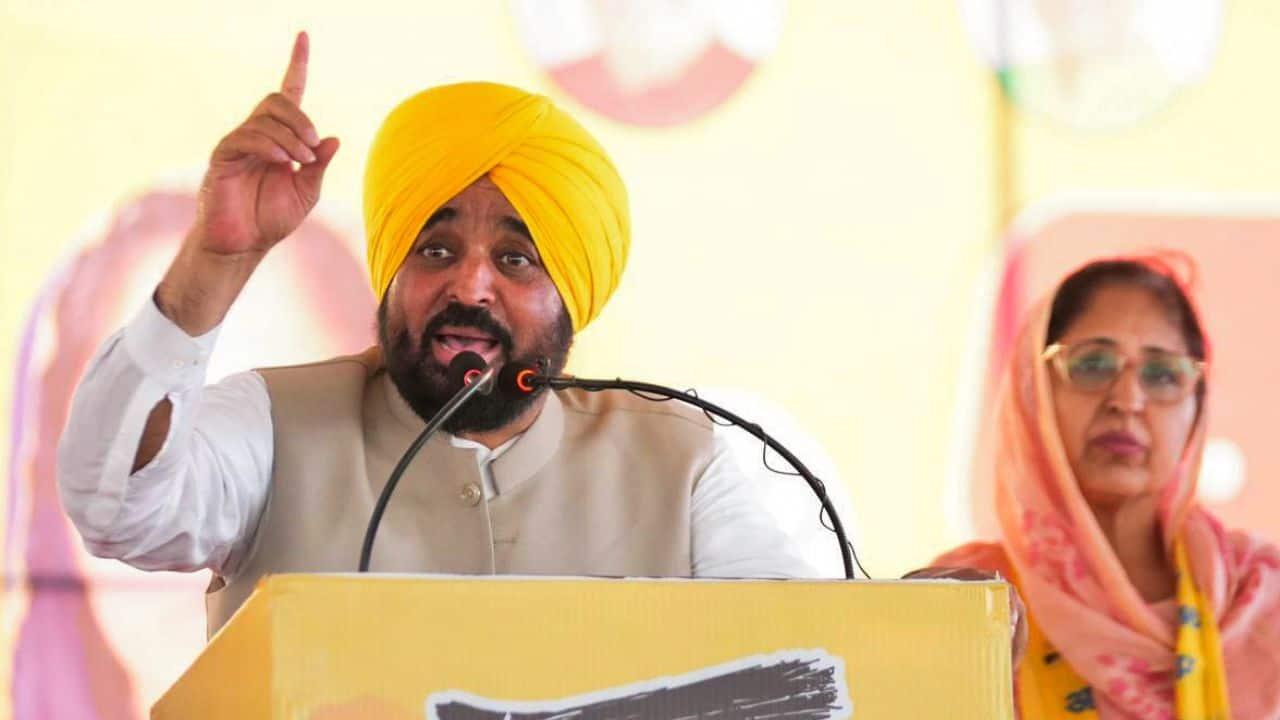
The Punjab Government has transferred Rs 1,147 crore directly into the bank accounts of nearly 33 lakh women under the Mukh Mantri Mawan Dheeyan Satkar Yojana through Direct Benefit Transfer (DBT). The first payment cycle covered eligible beneficiaries registered until June 25, 2026. Officials said the scheme aims to provide financial support, dignity and greater financial security to women across the state.
Rs 1,147 crore transferred through direct benefit transfer
Under the scheme, eligible beneficiaries from the Scheduled Caste (SC) category received Rs 4,500 each, comprising three monthly instalments of Rs 1,500 each. Beneficiaries from all other categories received Rs 3,000 each, comprising three monthly instalments of Rs 1,000 each.
The payments were released to eligible women whose registrations were completed by June 25, 2026. Registrations under the Mukh Mantri Mawan Dheeyan Satkar Yojana are continuing across Punjab, with more than 66 lakh women enrolled so far.
Officials said women registering now will be included in the next payment cycle.
Punjab government committed to transparent delivery of benefits
Punjab Minister for Social Security, Women and Child Development Dr. Baljit Kaur said the successful completion of the first payment cycle reflects the government’s commitment to ensuring that financial assistance reaches every eligible woman directly and transparently.
“The Mukh Mantri Mawan Dheeyan Satkar Yojana has been launched to provide financial security and dignity to women. We are committed to ensuring that every eligible beneficiary receives the assistance in a transparent and timely manner. No eligible woman will be left out,” said Dr. Baljit Kaur.
The minister said the scheme provides direct financial support to women without affecting any existing welfare benefits.
Women already receiving widow, disability or old-age pensions will continue to receive those benefits separately. She said the Mukh Mantri Mawan Dheeyan Satkar Yojana serves as an additional layer of social security for beneficiaries.
Women share experiences after receiving first instalment
Across Punjab, women who received the first instalment described it as a proud moment. Many said it was the first time money had been credited directly into their personal bank accounts.
Kuldeep Kaur, a resident of Mustaba Jatta village in Gurdaspur district, described receiving the first payment as one of the most emotional moments of her life.
After Rs 4,500 was credited to her account, she said she experienced financial independence for the first time.
“I am very happy that I have received my own income in my own bank account. Main taan ajj to pehlan apne hath vich kamai dekhi hi nahin si. (I have never earned any money before this). When I received the message about three instalments on my mobile phone, I felt overjoyed. May God bless the Punjab Government and our Chief Minister for giving us this feeling of self-respect,” she said.
Kuldeep Kaur said the payment meant much more than financial assistance.
“Earlier, many people believed that sons were more valuable than daughters. That thinking is slowly changing. Families with daughters now feel more secure because women have their own financial support. Mein ta apne husband lai maanyog ho gayee (I have become respectable for my husband),” she said.
Beneficiaries say scheme brings confidence and security
Another beneficiary, Harmeet Kaur from Ghummankalan village, said she first learned about the scheme during a village awareness camp.
“I shall spend this money on my suits and some for household things. I am feeling so happy. Mein vi hun kama rai haan (I am also earning now),” she said.
Harmeet Kaur said the scheme also sends an important message to society.
“A daughter is not a burden; she is the pride of the family. This money will help in educating girls and empowering them. When we educate and empower a girl, we build a brighter future for the entire family and society,” she said.
Kiran, a widow from Dhuri in Sangrur district, said the financial assistance would provide much-needed support during a difficult phase of her life.
“Mere lai taan ehe badi vaddi rakam ha. Mein vidhwa haan aur behad garib haan. Mere ghar kaman wala koi nai hai. Mein CM Maan di bahut dhanyawadi haan.” (For me, this is a big amount. I am a widow and very poor. There is no earning member in my family. This will be a great help. I thank the Chief Minister.)
Financial assistance eases household concerns
Similarly, Reeta, a daily wage labourer from a village in Gurdaspur district, said the financial assistance had reduced some of her household worries.
“I got information from the Anganwadi Centre and filled my form with their help. My husband and I are daily wage labourers. This is a great help. I can now spend this amount on my own needs,” she said.
Looking at the SMS confirming the credit, she smiled through tears and said, “Mobile di toon-toon ne sadi zindagi bana deeti” (The notification tone on my mobile has changed our lives).
Stay informed on all the latest news, real-time breaking news updates, and follow all the important headlines in india news and world news on Zee News.
Source link
by Hansraj Agrawal | Jul 10, 2026 | top-stories
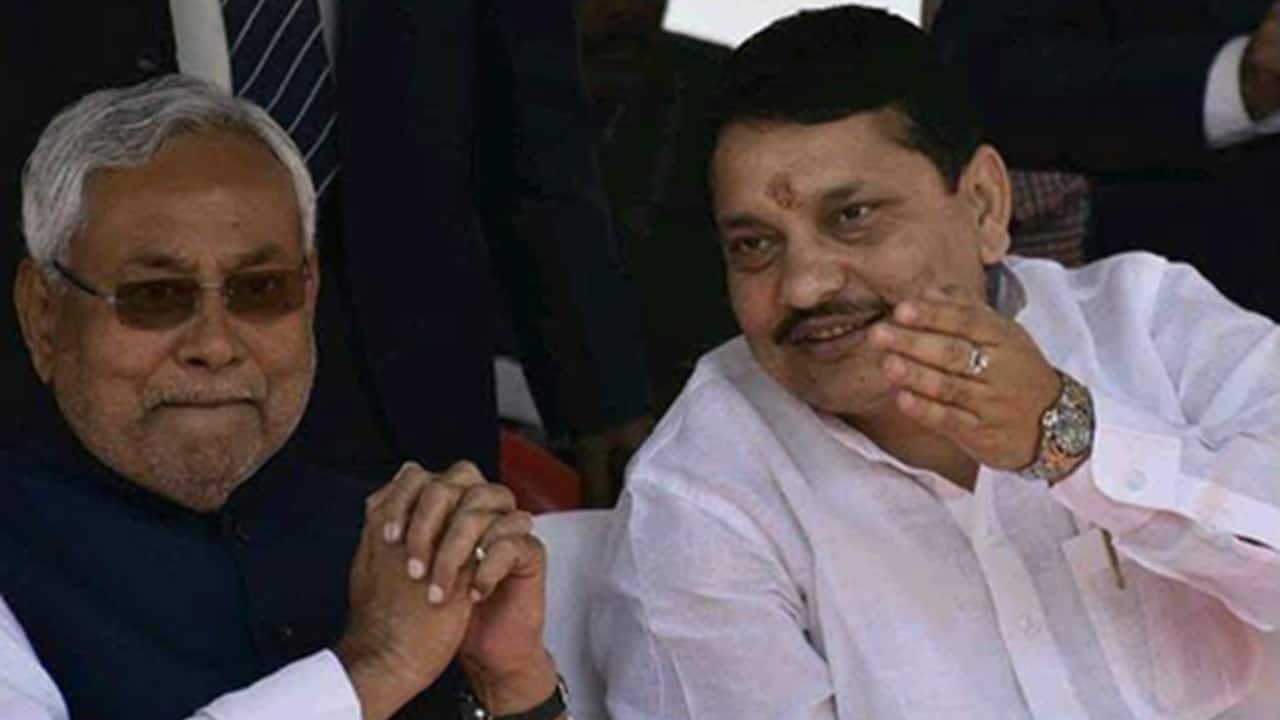
PATNA: The Janata Dal (United) has expelled Arvind Kumar Singh alias Chhotu Singh, General Secretary of the Bihar State Citizens’ Council, from the party’s primary membership for six years, citing alleged anti-party activities. The disciplinary action was taken by JD-U State President Umesh Kushwaha, marking a significant organisational move within the ruling party.
According to the party, Chhotu Singh’s primary membership has been terminated, and he has been expelled for 6 years for anti-party conduct. The official announcement comes after reports of growing differences between Chhotu Singh and sections of the party leadership.
Sources within the party said Chhotu Singh had expressed dissatisfaction after being excluded from the newly constituted state executive team headed by Umesh Kushwaha. Reports also suggested that he had a heated exchange with JD-U National Working President Sanjay Kumar Jha, following which disciplinary action appeared imminent.
Party sources further claimed that, in recent weeks, he had been barred from attending official party programmes and from participating in ministers’ public grievance hearings at the JD-U office. The party has not officially detailed the specific incidents that led to the disciplinary action beyond citing anti-party activities.
Chhotu Singh is regarded as a close associate of senior JD-U leader and minister Ashok Choudhary and was frequently seen participating in programmes attended by former Chief Minister Nitish Kumar. He has remained associated with the JD-U organisation for several years.
Last year, the Nitish Kumar-led government appointed Chhotu Singh as the General Secretary of the Bihar State Citizens’ Council. His association with the party has not been without differences. Around eight years ago, he had resigned from the state executive committee after reportedly being denied a Legislative Council (MLC) ticket. However, he later withdrew his resignation after being persuaded by the then JD-U State President, Vashishtha Narain Singh.
Following his expulsion, Chhotu Singh has not issued any public political statement regarding the party’s decision. Instead, he shared the news of his paternal uncle Shrikrishna Singh’s demise on social media, a former Head of Department at A.N. College, and posted photographs of himself attending the funeral rites.
The action comes shortly after JD-U State President Umesh Kushwaha announced a new state committee comprising 153 office-bearers, including 12 Vice-Presidents, 38 General Secretaries, 74 Secretaries, Heads of 15 party cells, and 9 spokespersons.
Stay informed on all the latest news, real-time breaking news updates, and follow all the important headlines in india news and world news on Zee News.
Source link
by Hansraj Agrawal | Jul 9, 2026 | top-stories
In a major crackdown on the financial infrastructure of narcotics trafficking under the ongoing Nasha Mukt Jammu & Kashmir Abhiyan, Srinagar and Kulgam police have attached the immovable properties of narcotics smugglers. Srinagar police attached two immovable properties worth approximately Rs 1.05 crore belonging to two notorious drug peddlers. The action was carried out by Police Station Rainawari under the provisions of the Narcotic Drugs and Psychotropic Substances (NDPS) Act, reaffirming the commitment of the Jammu and Kashmir Police to dismantle the drug network by targeting assets acquired through the illicit narcotics trade.
The attached properties belong to Zahoor Ahmad Sheikh, son of the late Ghulam Hassan Sheikh, a resident of Tujgari Mohalla, Nowhatta, and Bilal Ahmad Kand, son of Ghulam Hyder Kand, a resident of Kand Mohalla, Dal, Rainawari.
An immovable property of Zahoor Ahmad Sheikh, comprising a three-storied residential house constructed on 5 marlas of land situated at Tujgari Mohalla, Srinagar, with an estimated market value of approximately Rs 65 lakh, has been attached in connection with FIR No. 59/2019 under Section 8/20 of the NDPS Act, registered at Police Station Rainawari. The accused is also involved in FIR No. 11/2018 (Section 8/20 NDPS Act) and FIR No. 41/2021 (Sections 8/20 NDPS Act and 48 Excise Act) registered at Police Station Nowhatta.
Another immovable property belonging to Bilal Ahmad Kand, comprising 5 marlas of land along with a single-storied temporary structure erected thereon at Kand Mohalla, Rainawari, with an estimated value of approximately ?40 lakh, has been attached in connection with FIR No. 36/2022 under Section 8/20 of the NDPS Act, registered at Police Station Rainawari.
Both properties were attached under the provisions of Section 68-F of the NDPS Act after being identified as illegally acquired assets generated through the proceeds of narcotics trafficking and drug peddling.
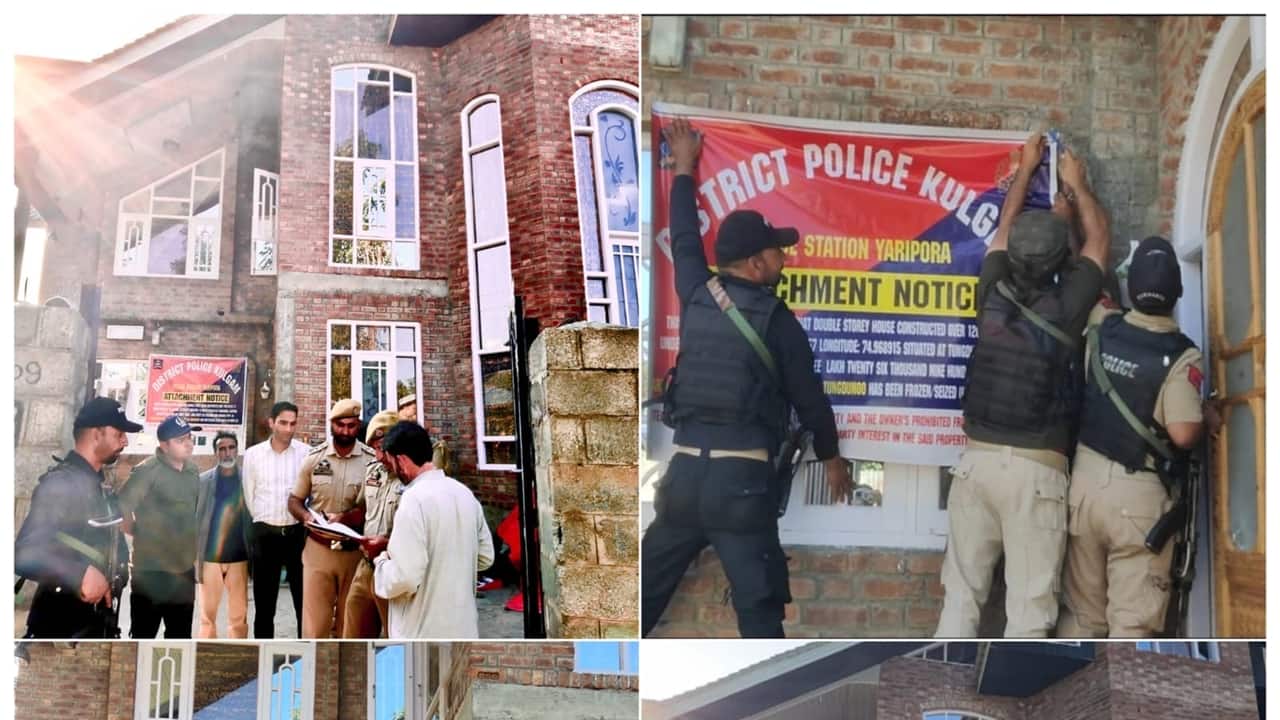
In another significant action, police in Kulgam, in coordination with the Revenue Department, have attached an immovable property with an estimated market value of approximately Rs 1 crore in the Kulgam district as part of sustained efforts to curb unlawful activities and dismantle the infrastructure supporting such offenses.
The action was carried out by Police Station Yaripora under the directions of the SSP, Kulgam. The attached property comprises a residential house belonging to Tariq Ahmad, a resident of Tungdnoo, and was attached in accordance with the relevant provisions of law pursuant to the orders of the competent authority.
By targeting the economic backbone of drug traffickers, the Jammu and Kashmir Police are sending a strong message that illegally acquired assets will be traced and confiscated in accordance with the law.
Stay informed on all the latest news, real-time breaking news updates, and follow all the important headlines in india news and world news on Zee News.
Source link
by Hansraj Agrawal | Jul 9, 2026 | top-stories
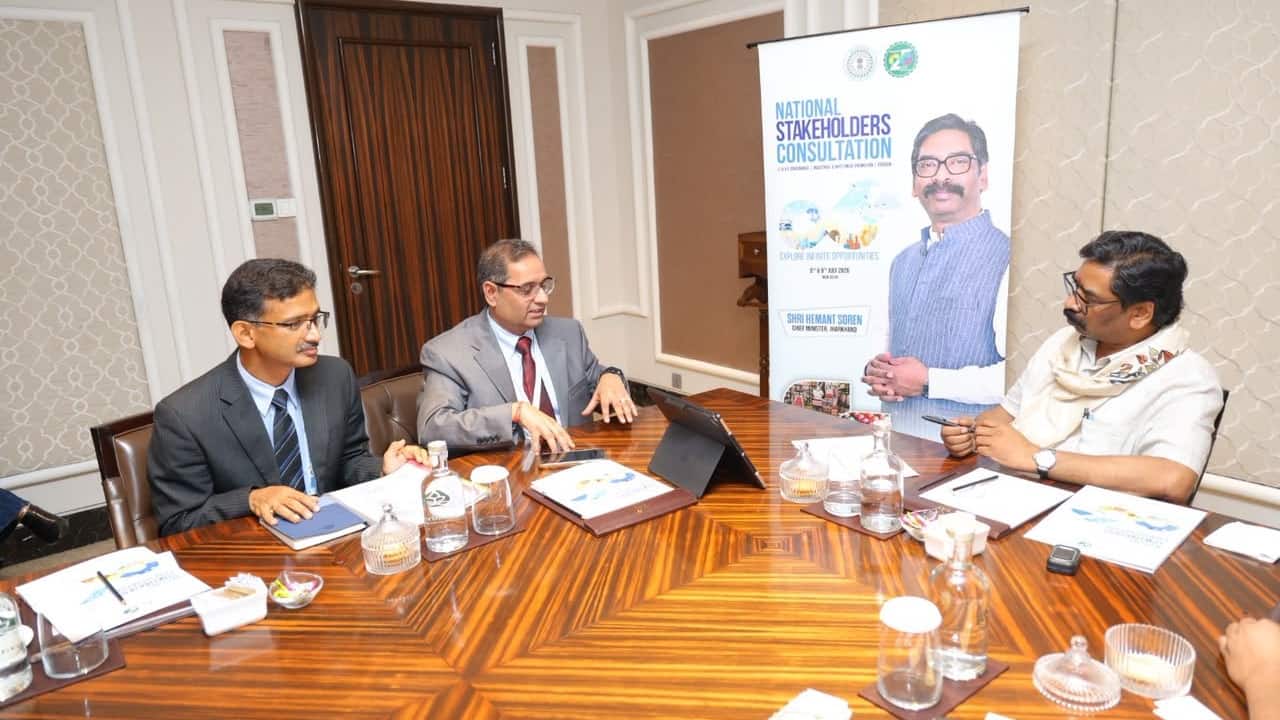
The roadmap outlines a comprehensive strategy to integrate AI across governance, education, healthcare, agriculture, industry and citizen services, enabling faster, transparent and data-driven decision-making while improving the quality, efficiency and accessibility of public services.
Source:Bureau
Published: Jul 09, 2026, 05:32 PM IST|Updated: Jul 09, 2026, 05:32 PM IST
Source link
by Hansraj Agrawal | Jul 8, 2026 | top-stories
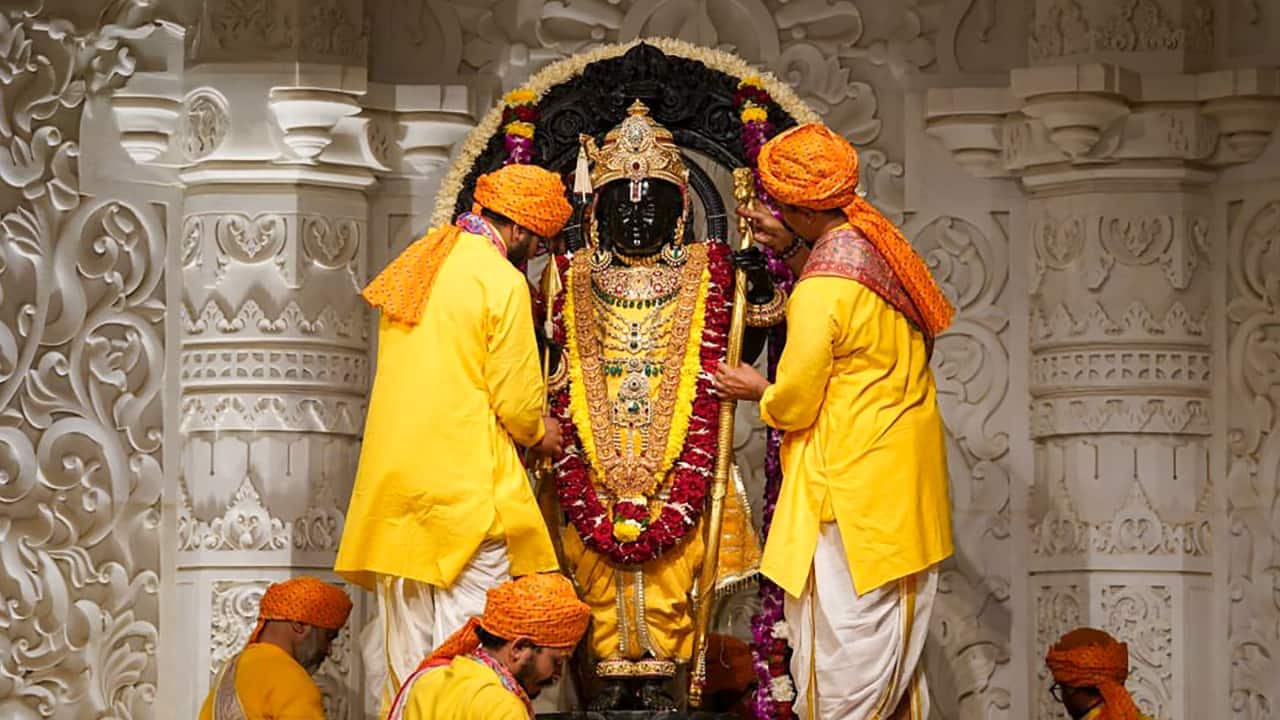
Police have detained and questioned the uncle of jailed accused Anukalp Mishra and a jeweller from Inayatnagar market in connection with the alleged Ram Mandir donation theft case, police sources said on Wednesday. According to sources, Ramendra Mishra, the uncle of Anukalp Mishra, and the jeweller were questioned as part of the ongoing investigation into the alleged misappropriation of temple donations.
Earlier in the day, a police team took three accused from the Ayodhya District Jail for custodial interrogation after a local court granted one day of police custody in the alleged Ram Temple donation embezzlement case.
The accused – Lavkush Mishra, Anukalp Mishra and Karunesh Pandey – were escorted from the district jail to the Ayodhya Police Lines as part of the ongoing investigation into the alleged misappropriation of donations received at the Ram Temple.
Earlier on Tuesday, an Ayodhya court allowed one-day police custody of the three accused after the police argued that their custodial interrogation was necessary to further the investigation. The Investigating Officer (IO) informed the court that questioning the accused in custody would help establish additional facts related to the case.
Police had initially sought seven days of custody for the three accused, who are currently lodged in jail.
The custody plea followed an earlier round of questioning conducted inside the jail on Sunday, when a police team interrogated five accused. Based on information that emerged during those interrogations, investigators approached the court seeking custody of three of them for further examination.
The alleged embezzlement case has drawn significant attention after a Special Investigation Team (SIT), in its preliminary report submitted to the Uttar Pradesh government, found prima facie evidence of theft and pilferage during the counting of donations at the Ram Temple.
Meanwhile, the Shri Ram Janmabhoomi Teerth Kshetra Trust has decided that Gopal Rao, also known as Gopal Nagarkatte, will no longer be invited to its meetings, Mahant Kamal Nayan Das, successor to Trust President Mahant Nritya Gopal Das, said on Tuesday following a recent high-level meeting of the Trust in Ayodhya.
Stay informed on all the latest news, real-time breaking news updates, and follow all the important headlines in india news and world news on Zee News.
Source link

by Hansraj Agrawal | Jul 7, 2026 | top-stories
Akash Sinha is an Assistant News Editor with Zee News English, bringing over 12 years of seasoned expertise to the newsroom. A veteran journalist who began his career in 2014 at The Indian Express, Akash specializes in delivering real-time breaking news with a focus on the stories that shape national and global narratives.
Expertise & Focus Areas:
Sinha’s reporting spans a diverse range of critical sectors, offering readers depth and clarity on complex subjects:
Geopolitics & Defense: Tracking international affairs and national security developments with a sharp analytical lens.
Infrastructure & Economy: Extensive coverage of the Railways and Real Estate sectors, alongside deep dives into Business and Personal Finance.
Political Reporting: Analyzing Indian elections, policy decisions and political shifts since 2014 that impact the country’s trajectory.
Proven Track Record:
Before joining the leadership team at Zee News English, Akash honed his craft at some of India’s most prestigious financial and news publications, including The Financial Express, The Economic Times, Zee Business, and Moneycontrol.
His commitment to journalistic excellence has been recognized throughout his decade-plus career, receiving accolades for his work at The Financial Express in 2016 and more recently at Zee News English in 2024.
Akash holds a Master’s degree in Mass Communication, a foundation that informs his data-driven and insightful approach to journalism.
Contact: akash.sinha@india.com
Source link







