A rule made in Europe could quietly reshape the phones sold in India.
The European Union is setting minimum standards for how devices are built and supported over time — from battery durability and repairability to access to spare parts and longer software support. In practical terms, manufacturers are being pushed to design products that last longer, are easier to repair, and remain usable for years.
While these rules apply to devices sold in Europe, their impact is unlikely to stay there. From data privacy under the General Data Protection Regulation (GDPR) to the shift to USB-C charging ports, EU decisions have repeatedly influenced global technology standards.
This phenomenon, often described as the “Brussels effect”, works because global companies optimise for scale. Designing one compliant product for a large market like the EU is often more efficient than maintaining multiple variants.
Why companies won’t build ‘EU-only’ phones
For smartphone makers, compliance is not just regulatory — it is a manufacturing decision.
Building EU-specific devices would mean separate production lines, different components, and parallel inventories. That adds cost and complexity in a market where margins are already tight.
Instead, companies tend to standardise around the strictest major regulation.
If the EU requires more durable batteries, easier disassembly, and better access to spare parts, it becomes more efficient to integrate those features into global designs. This may not happen uniformly, but the direction is clear.
More than a battery rule
The EU’s push is not limited to making batteries easier to replace. It is aimed at reshaping how smartphones are designed, used, and eventually discarded.
At the design level, devices are expected to be more durable — resistant to drops, dust, and water — and easier to disassemble and repair. Batteries must retain capacity over extended use, while key components are expected to last longer.
The rules also extend into software. Manufacturers are expected to provide operating system updates for longer periods, ensuring devices remain functional and secure over time.
Beyond the device itself, the framework targets material use and recovery. Extending the average lifespan of devices by even a year could significantly reduce their environmental impact, while improvements in material efficiency could lower overall resource consumption.
There is also a growing focus on transparency, with tools such as battery passports aimed at tracking key information across a product’s lifecycle.
Where India stands today
India has begun addressing parts of this issue, but through separate initiatives rather than a single, unified framework.
The government’s Right to Repair push has created a portal that provides access to repair information and service details. A proposed repairability index aims to rate devices based on how easy they are to fix, potentially allowing consumers to compare products before buying.
At the end of the lifecycle, India’s E-Waste Management Rules (2022) place responsibility on manufacturers and recyclers through an expanded Extended Producer Responsibility regime. These rules focus on collection, recycling, and formalising the country’s largely informal e-waste ecosystem.
The policy question: Mandate or nudge?
The EU has taken a prescriptive approach, setting clear requirements for durability, repairability, and lifecycle management.
India, by contrast, has so far leaned toward enabling change through transparency, guidelines, and early-stage frameworks.
Stricter mandates could accelerate repairability and sustainability, but they may also increase costs in a price-sensitive market. A softer approach may limit disruption, but could slow meaningful change.
What this could mean for India’s market
If EU-driven changes begin to shape global product design, the effects in India may not just be indirect — they could be built into the devices themselves.
The timing of the India–EU Free Trade Agreement strengthens this possibility. Finalised in early 2026, the deal aims to reduce tariffs on over 90 per cent of traded goods, including electronics, with implementation expected to begin from 2027.
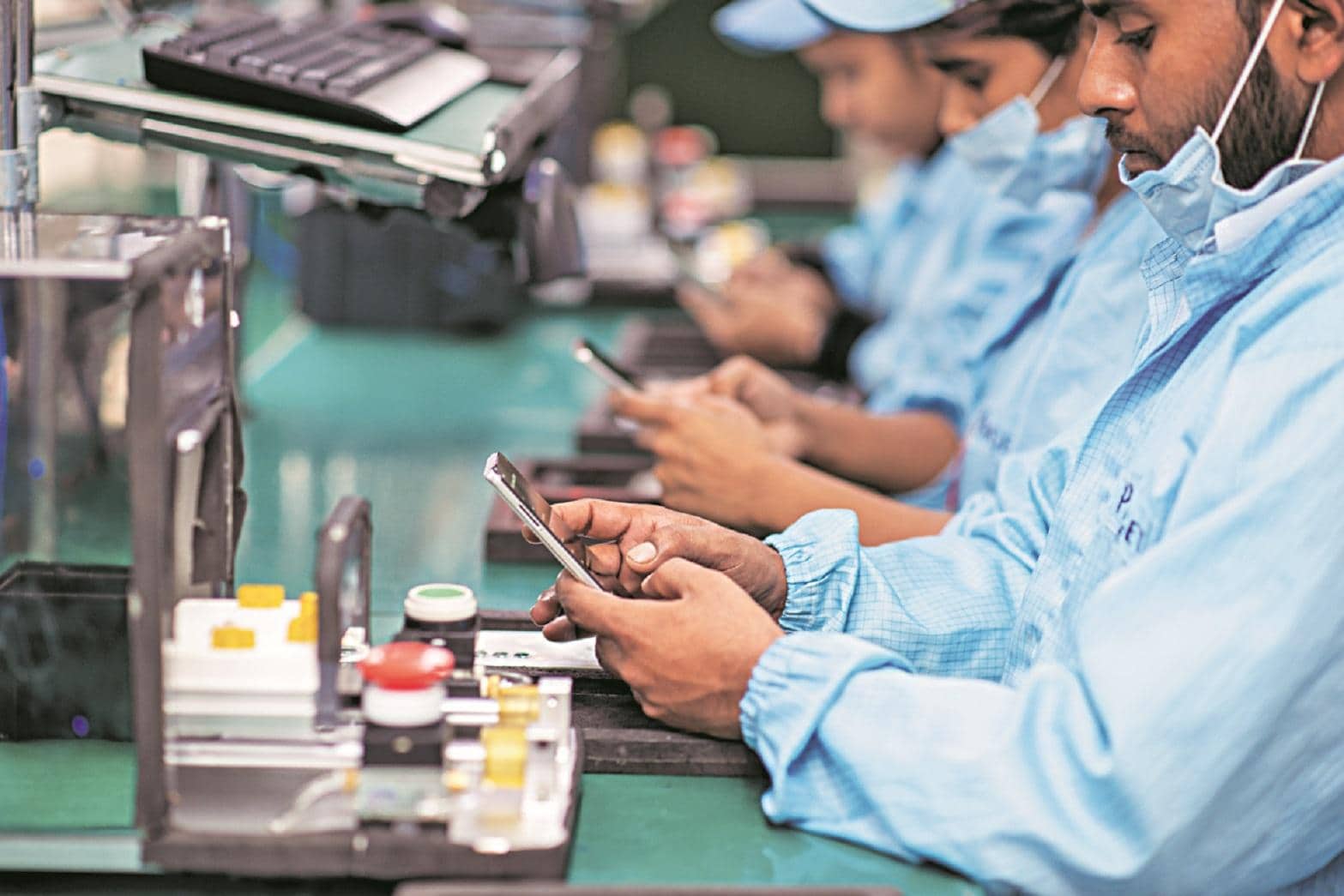
India is also emerging as a production base for global devices. Companies like Apple, through partners such as Foxconn, and newer brands such as Nothing are already assembling smartphones in India not just for domestic sale, but for export to markets including Europe.
If devices manufactured in India are meant for European markets, they will need to comply with EU rules. Designing separate versions for domestic and export markets would add cost and complexity, making it more likely that EU-compliant designs become the default.
In effect, EU standards could begin to shape the baseline for devices sold in India.
This opens up opportunities. More standardised designs could improve access to spare parts and support the growth of independent repair networks. Over time, this could reduce the total cost of ownership for consumers as devices last longer and are easier to maintain.
But there are trade-offs.
Meeting stricter standards could increase manufacturing and compliance costs, some of which may be passed on to consumers. Companies may also need to rework supply chains and after-sales systems to align with tighter lifecycle requirements.
What this really means
The EU’s battery and ecodesign rules may not apply directly in India.
But they could still shape the devices Indians use.
Because when global companies redesign products for a market as large as Europe, those changes rarely stay confined to one region. Over time, they become part of the product itself.
And that means a rule written in Brussels could quietly influence how long your next phone lasts — and how easy it is to keep using it.







