अभी तक नहीं मिला ITR रिफंड का पैसा? लाखों टैक्सपेयर्स का अटका भुगतान, जानें इसकी वजह…

अभी तक नहीं मिला ITR रिफंड का पैसा? लाखों टैक्सपेयर्स का अटका भुगतान, जानें इसकी वजह…


Show Quick Read

Key points generated by AI, verified by newsroom

ITR Refund Delay: टैक्स रिटर्न फाइल करने वालों के मन में सवाल होता है कि उन्हें रिटर्न कब मिलेगा. लेकिन कई लोगों को लंबा इंतजार करना पड़ जाता है. इस बीच वित्त वर्ष 2025-26 में रिफंड में हो रही देरी फिर चर्चा में है.

क्योंकि बड़ी संख्या में टैक्सपेयर्स महीनों बाद भी अपने पैसे का इंतजार कर रहे हैं. आइए जानते हैं, आखिर इस देरी के पीछे की वजह क्या है?

आंकड़ों में समझिए देरी की वजह

सरकारी डेटा के मुताबिक 24 मार्च 2026 तक कुल 8,89,20,822 रिटर्न फाइल किए गए है. जिनमें से 8,77,86,233 वेरिफाई हो चुके हैं. इसके बाद 8,50,59,270 प्रोसेस किए जा चुके हैं. 

यानी अभी भी करीब 27 लाख रिटर्न प्रोसेस होना बाकी है. जिसके कारण कई लोगों का रिफंड अटका हुआ है और उन्हें भुगतान मिलने में देरी हो रही है. अगर आपको भी रिटर्न मिलने में समय लग रहा है तो इसके पीछे कुछ कारण हो सकते हैं. 

रिफंड में देरी की वजहें

. अगर आपके ITR, AIS और Form 26AS की जानकारी आपस में मैच नहीं करती, तो सिस्टम इसे जांच के लिए रोक देता है. रिफंड में देरी की यह भी एक वजह होती है. 

. जिन लोगों ने रिटर्न फाइल करने के बाद ई-वेरिफिकेशन पूरा नहीं किया है, उनके केस आगे नहीं बढ़ाए जाते हैं. इसलिए रिफंड अटक जाता है.

. आखिरी तारीख के आसपास बड़ी संख्या में लोग एक साथ ITR भरते हैं. जिससे सिस्टम पर दबाव बढ़ता है और प्रोसेसिंग धीमी हो जाती है.

. जिन रिटर्न में कई तरह की इनकम, कैपिटल गेन या ज्यादा रकम का रिफंड होता है. उन विषयों में  ज्यादा जांच होती है, इसलिए समय ज्यादा लगता है.

. अगर बैंक अकाउंट की जानकारी गलत है या PAN से लिंक नहीं है, तो भी रिफंड जारी होने में दिक्कत आ सकती है. 

यह भी पढ़ें: 8th Pay Commission: केंद्रीय कर्मचारियों और पेंशनर्स को मिल सकती हैं बड़ी राहत, सैलरी में होगा जबरदस्त इजाफा…


Source link

HDFC Gold ETF to use commodity derivatives during supply shortage

HDFC Gold ETF to use commodity derivatives during supply shortage


Once the market normalises and the scheme can buy/sell physical gold as per its requirements, the corresponding ETCDs are expected to be unwound

HDFC Mutual Fund plans to use exchange-traded commodity derivatives (ETCD) platform to buy or sell gold under its Gold Exchange Traded Fund in case of a shortage in physical gold availability.

Through a notice-cum-addendum, the fund house has made a change in fundamental attributes of the HDFC Gold ETF to invest in ETCD sparingly in case of shortage in gold.

Investment in ETCDs will only be considered in rare circumstances where the scheme is unable to buy/sell physical gold due to temporary scarcity, it said.

Once the market normalises and the scheme can buy/sell physical gold as per its requirements, the corresponding ETCDs are expected to be unwound, it added.

The scheme does not intend to use ETCDs as part of the scheme’s day-to-day strategy, said HDFC MF.

The core approach of the scheme remains unchanged to invest in physical gold to the maximum extent possible and the balance will be in cash/net current assets, as per the Scheme’s Asset Allocation.

The scheme held 15,262 kg physical gold bars with purity of 99.5 per cent fineness, representing 98.65 per cent of scheme assets. Cash, cash equivalents and net current assets accounted for 1.35 per cent of Scheme Assets as of February-end, said HDFC MF.

Published on March 24, 2026


Source link

केंद्रीय कर्मचारियों और पेंशनर्स को मिल सकती हैं बड़ी राहत, सैलरी में होगा जबरदस्त इजाफा…

केंद्रीय कर्मचारियों और पेंशनर्स को मिल सकती हैं बड़ी राहत, सैलरी में होगा जबरदस्त इजाफा…


Show Quick Read

Key points generated by AI, verified by newsroom

8th Pay Commission: आठवें वेतन आयोग को लेकर लाखों कर्मचारी और पेंशनधारी बेसब्री से इंतजार कर रहे हैं. पिछले कुछ दिनों से वेतन आयोग की सिफारिशों को लेकर उम्मीदें बहुत बढ़ गई है. लोग उम्मीदें लगाए बैठे हैं कि, इस बार सरकार उनकी झोली खुशियों से भर देगी.

आधिकारिक तौर पर 1 जनवरी 2026 से नए वेतन आयोग के लागू होने की बात की जा रही है. हालांकि, कर्मचारियों को लाभ मिलने में थोड़ा समय लगता दिख रहा है. आइए जानते हैं, इस बारे में…

लाखों कर्मचारियों और पेंशनर्स को मिल सकता है बड़ा फायदा

ईटी में छपी एक रिपोर्ट के अनुसार, आने वाले 8वें वेतन आयोग को लेकर एक रिपोर्ट में संकेत दिया गया है कि सरकारी कर्मचारियों और पेंशनभोगियों की आय में 30 से 34 फीसदी तक की बढ़ोतरी संभव है.

एम्बिट इंस्टीट्यूशनल इक्विटीज की रिपोर्ट के मुताबिक, इस बदलाव का असर करीब 1.10 करोड़ से अधिक कर्मचारियों और पेंशनधारियों पर पड़ने वाला है. माना जा रहा है कि फिटमेंट फैक्टर और पे-मैट्रिक्स में बदलाव के चलते यह बढ़ोतरी पिछले वेतन आयोगों के लेवल के बराबर या उससे ज्यादा भी हो सकती है.

वेतन बढ़ोतरी में लग सकता है समय

आठवें वेतन आयोग को भले ही 1 जनवरी 2026 से लागू माना जा रहा है, फिर भी बढ़ा हुए वेतन कर्मचारियों के बैंक खाते में आने में समय लग सकता है. पुराने वेतन आयोग के लागू होने के समय को देखे तो वित्त वर्ष 2026-27 तक वेतन में बढ़ोतरी की उम्मीद की जा रही है.

हालांकि, इस देरी से होने वाले नुकसान से कर्मचारिओं को बचाने के लिए सरकार एकमुश्त एरियर का भुगतान करती है. एकमुश्त पैसे मिलने से लोगों को राहत पहुंचती है. 

सुझाव देने की समयसीमा बढ़ाई गई

सरकार ने सभी संबंधित पक्षों से इस विषय में राय मांगी है और इसके लिए तय समयसीमा अब 31 मार्च 2026 तक बढ़ा दी गई है. 8वें वेतन आयोग से जुड़े सवालों के जवाब केवल ऑनलाइन माध्यम से ही स्वीकार किए  जा रहे हैं. सुझाव देने वाले लोगों को MyGov पोर्टल का इस्तेमाल करना होगा.

यह भी पढ़ें: ईएमआई की चिक-चिक से परेशान हैं और प्रीपेमेंट करने जा रहे हैं? तो थोड़ा रुकिए, कहीं जल्दबाजी में न हो जाए बड़ा नुकसान; जानें पूरी डिटेल


Source link

China rejects 3 Indian rice shipments, alleging presence of GMOs

China rejects 3 Indian rice shipments, alleging presence of GMOs


India exported 180,805 tonnes of non-Basmati rice worth $79.43 million to China in 2024-25
| Photo Credit:
Getty Images

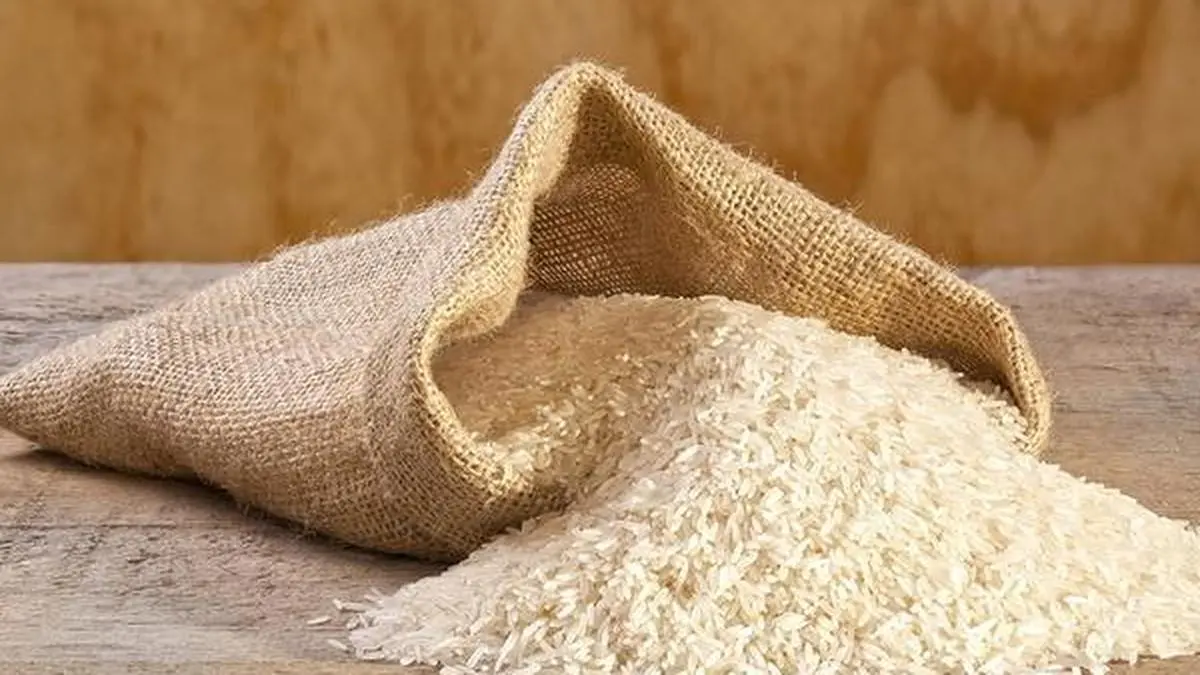
China has turned away three shipments of Indian rice alleging the presence of genetically modified organisms (GMO) in what appears to be a calculated attempt to gain leverage in trade talks. The rejection comes despite the fact that the non-basmati rice consignments were tested and cleared by a Chinese agency before the shipments.

Furthermore, India has yet to permit the commercial cultivation of any GM food crops, with cotton remaining the only genetically modified one authorised in the country. The affected companies have taken up the matter with India’s agri-export promotion body, APEDA, as well as the Indian Council of Agricultural Research (ICAR), according to industry sources.

In its representation to ICAR, Nagpur-based Shriram Food Industry said that Chinese buyers and authorities are demanding an official declaration confirming that rice grown in India is non-GMO, even though only non-GMO paddy is cultivated nationwide. The company has requested that ICAR issue a general statement or declaration confirming this status.

Seeks APEDA probe

“This would be extremely helpful for exporters like us, as several shipments to China are currently facing difficulties during clearance due to the absence of such a document,” the firm noted in its communication.

Anup Goyal, Chairman and Managing Director of Shriram Food, said the India office of China Certification & Inspection Group (CCIC), a Chinese State-owned company, had inspected and certified the shipments, yet they were still rejected by Chinese customs upon arrival. Goyal stated that they have requested APEDA to investigate how these consignments were rejected on grounds of GMO presence after receiving prior clearance.

Industry sources pointed out the irony in the situation, noting that China itself grows GM rice. In 2006, the European Union had even flagged concerns regarding GM contamination in Chinese rice exports.

Why only India?

Foreign trade policy expert S Chandrasekaran wondered why China is demanding GM-free declarations, specifically from India and not from competitors like Thailand, Vietnam, Pakistan, or Myanmar. He said China may be engaging in strategic trade planning regarding its rice supply.

Data show that India exported 180,805 tonnes of non-Basmati rice worth $79.43 million to China in 2024-25. During the April-January period of the current fiscal year, the volume higher at 186,013 tonnes, though the value was lower at $65.59 million. Because China previously restricted Indian rice through non-tariff barriers, exports were minimal until 2019-20 — totalling only 567 tonnes, but surged to 331,571 tonnes in 2020-21 after the curbs were removed.

While the current volume is relatively small compared to the 14 million tonnes of non-Basmati rice India exported globally in 2024-25, trade sources said access to this growing market is vital. USDA data indicate that China’s rice imports are estimated to rise to 3.1 million tonnes in 2025-26 from 2.3 million tonnes in 2024-25. Its exports and production are also pegged for slight increases during the same period.

100 mills authorised

When China first allowed Indian rice imports, its internal teams initially recognised only 16 Indian mills. Over time, it began accepting the Indian government’s own recognition, and currently, over 100 rice mills are authorised to export to China.

Chandrasekaran said while India has deregulated certain modern breeding techniques to enhance climate resilience, China maintains a high-security, process-based approach that may view these techniques as a biosafety risk.

“While India has deregulated certain modern breeding techniques to boost climate resilience, China maintains a high-security, process-based approach that may view these same techniques as a potential biosafety risk,” he said.

Published on March 24, 2026


Source link

ईएमआई की चिक-चिक से परेशान हैं और प्रीपेमेंट करने जा रहे हैं? तो थोड़ा रुकिए, कहीं जल्दबाजी में

ईएमआई की चिक-चिक से परेशान हैं और प्रीपेमेंट करने जा रहे हैं? तो थोड़ा रुकिए, कहीं जल्दबाजी में


Show Quick Read

Key points generated by AI, verified by newsroom

Personal Loan Prepayment: अक्सर लोग अपनी जरूरतों को पूरा करने के लिए पर्सनल लोन लेते हैं और बाद में जब उनके पास अतिरिक्त पैसा आता है तो वे इसे समय से पहले चुकाने का प्लान भी करते हैं. अगर आप भी पर्सनल लोन की प्रीपेमेंट करने की योजना बना रहे हैं, तो बिना सोचे-समझे फैसला लेने के बजाय इससे जुड़ी जरूरी बातों को जान लेना आपके लिए फायदेमंद हो सकता है.

प्रीपेमेंट कुछ मामलों में आपके ब्याज के बोझ को कम कर सकती है. लेकिन हर स्थिति में यह सही विकल्प नहीं होता. कई बैंक समय से पहले लोन चुकाने पर अतिरिक्त शुल्क भी वसूलते हैं. जिससे कुल बचत पर असर पड़ता है. आइए जानते हैं इसके बारे में… 

लोन के शुरुआती दौर में ज्यादा फायदा

पर्सनल लोन की प्रीपेमेंट का असली फायदा तब मिलता है जब आप इसे लोन की शुरुआत में ही कर देते हैं. अगर लोन लिए कुछ ही महीने या करीब एक साल हुआ है, तो उस समय प्रीपेमेंट करने से आप अच्छी-खासी ब्याज राशि बचा सकते हैं. ऐसा इसलिए क्योंकि शुरुआती अवधि में आपकी EMI का बड़ा हिस्सा ब्याज के रूप में जाता है.

वहीं अगर आपका लोन खत्म होने के करीब है और केवल कुछ महीने या एक साल का समय बचा है, तो प्रीपेमेंट करने का फायदा बहुत कम रह जाता है. उस समय तक आप ज्यादातर ब्याज दे चुके होते हैं. इस समय लोन जल्दी चुकाने से खास बचत नहीं होती या फिर बहुत कम होती है. 

प्रीपेमेंट चार्ज का गणित समझना जरूरी

लोन से संबंधित सभी जानकारी पहले ही ले लेनी चाहिए. आमतौर पर बैंक प्रीपेमेंट पर बकाया रकम का करीब 2 से 5 प्रतिशत तक शुल्क लेते हैं. जिससे कुल खर्च बढ़ सकता है. इसलिए यह देखना जरूरी है कि आपको ब्याज में जितनी बचत हो रही है, वह इस चार्ज से ज्यादा है या नहीं.

कई बार ऐसा होता है कि प्रीपेमेंट फीस ही ज्यादा पड़ जाती है, ऐसे में जल्दबाजी में लोन चुकाना फायदे के बजाय नुकसान का सौदा बन सकता है. अगर आपका लोन खत्म होने वाला है और आप आसानी से ईएमआई का भुगतान कर पा रहे हैं तो सलाह दी जाती है प्रीपेमेंट करने से बचना चाहिए.

यह भी पढ़ें: Swiggy Platform Fee Increase: ऑनलाइन खाना मंगवाने वालों को झटका, जोमैटो के बाद स्विगी ने भी बढ़ाई प्लेटफॉर्म फीस; जानें पूरी डिटेल


Source link

YouTube
Instagram
WhatsApp