बजट 2026 से आम आदमी से चुनावी राज्यों तक की ये उम्मीदें टूटी; नहीं मिली कोई खास सौगात, जानिए डि

बजट 2026 से आम आदमी से चुनावी राज्यों तक की ये उम्मीदें टूटी; नहीं मिली कोई खास सौगात, जानिए डि


Show Quick Read

Key points generated by AI, verified by newsroom

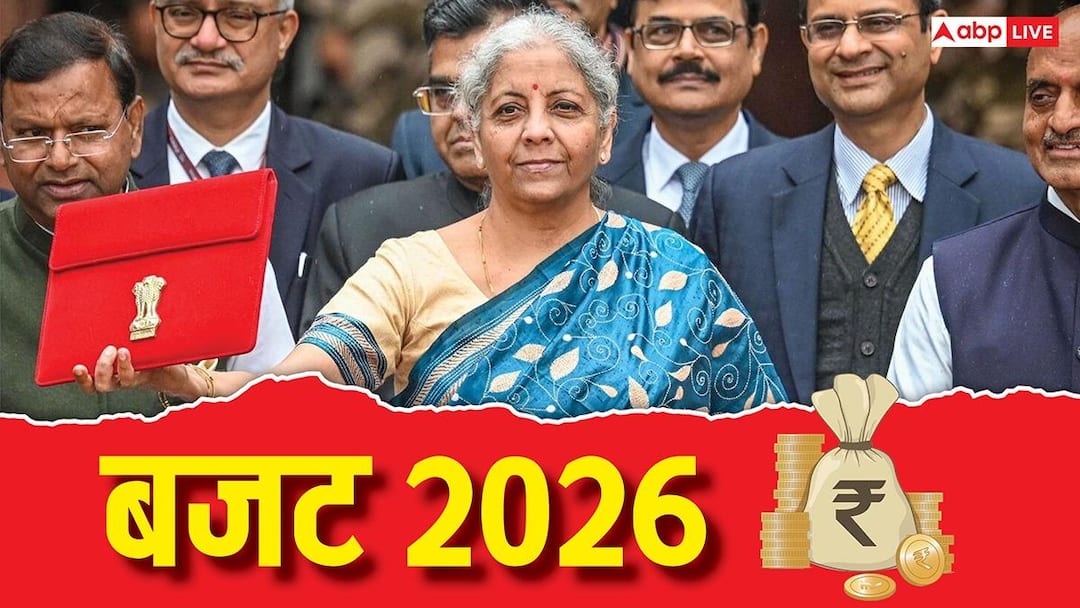
Budget 2026 Public Disappointment: 1 फरवरी को वित्त मंत्री निर्मला सीतारमण जब बजट पेश करने जा रही थीं, तो आम आदमी बड़ी हसरत से अपने वित्त मंत्री को देख रहा था. मिडिल क्लास को उम्मीद थी कि टैक्स में छूट मिलेगी, तो किसानों को उम्मीद थी कि उनकी कुछ बेहतरी होगी और सबसे ज्यादा उम्मीद तो उन पांच राज्यों के करोड़ों लोगों को थी, जहां विधानसभा के चुनाव होने हैं. 

लेकिन जब वित्त मंत्री का बजट भाषण खत्म हुआ तो आम आदमी के साथ ही चुनावी राज्यों के लोगों को भी जोर का झटका लगा, क्योंकि उम्मीद की बात तो छोड़िए उनका कहीं जिक्र भी नहीं हुआ. आज बात उन पांच उम्मीदों की, जिन्हें बजट भाषण में तोड़ दिया गया.

इनकम टैक्स में छूट

पिछले बजट में वित्त मंत्री ने इनकम टैक्स में जितनी बड़ी छूट दी थी और इनकम टैक्स की लिमिट को 12 लाख रुपये तक कर दिया था. उसे देखते हुए उम्मीद थी कि इस बार भी बजट में कुछ छूट मिलेगी और लिमिट 12 लाख से बढ़कर 13 या 14 लाख तक पहुंच जाएगी. लेकिन ऐसा कुछ भी नहीं हुआ. 

कोई बात भी नहीं हुई इनकम टैक्स पर और नतीजा ये हुआ कि करदाता निराश हो गया. उम्मीद ये भी थी कि न्यू टैक्स रिजीम में ही कुछ ऐसा बदलाव आएगा कि आम आदमी को टैक्स में कुछ छूट मिल जाएगी. पीपीएफ, एनपीएस या ईएलएसएस में निवेश पर लोग छूट की उम्मीद लगाए बैठे थे, लेकिन वित्त मंत्री ने इसकी कोई बात भी नहीं की.

किसानों के लिए स्पेशल पैकेज

बजट में उम्मीद थी कि किसानों के लिए कोई नई योजना आएगी. अगर कोई नई योजना नहीं भी आई तो कुछ और फसलों को एमएसपी के दायरे में लाने की उम्मीद थी. उम्मीद ये भी थी कि प्रधानमंत्री किसान योजना के तहत मिलने वाले पैसे में कुछ बढ़ोतरी होगी.

क्योंकि पिछले 6 साल से योजना की राशि में कोई बदलाव नहीं हुआ है. खाद-बीज पर सब्सिडी और कम ब्याज पर कर्ज और पुरानी कर्ज माफी की उम्मीद थी. हालांकि, ऐसा कुछ भी नहीं हुआ.

रोजगार के लिए विशेष योजना

बजट में उम्मीद थी कि युवाओं के रोजगार के लिए कोई स्पेशल स्कीम लॉन्च की जाएगी. हालांकि ऐसा कुछ नहीं हुआ. अलग-अलग योजनाओं के जरिए रोजगार के सृजन की बात हुई, डाटा सेंटर के जरिए रोजगार बढ़ाने की बात हुई, स्कूलों में कॉन्टेंट क्रिएशन की बात हुई, कुछ इंटर्नशिप और स्किल की बात हुई लेकिन कोई एक ऐसी योजना नहीं आई जिसमें अभी के बेरोजगारों को रोजगार के लिए प्रेरित किया जा सके.

सीनियर सिटीजन को छूट

बजट में उम्मीद थी कि सीनियर सिटीजन के लिए कोई बीमा योजना आएगी या फिर रेलवे के टिकट में रियायत दी जाएगी. कोई नई योजना आएगी, लेकिन ऐसा कुछ भी नहीं हुआ. सीनियर सिटीजन के लिए टीडीएस कटौती भी नहीं बदली और वो भी पुरानी ही रह गई.

चुनावी राज्यों को सौगात

बजट में सबसे ज्यादा उम्मीद उन पांच राज्यों के लोगों को थी, जहां विधानसभा के चुनाव हैं. खास तौर से पश्चिम बंगाल और तमिलनाडु के लोग तो उम्मीद लगाए ही बैठे थे. असम, केरल और पुडुचेरी के लोगों को भी स्पेशल पैकेज या स्पेशल इंसेंटिव या किसी तरह की कोई डायरेक्ट बेनिफिट ट्रांसफर स्कीम की उम्मीद थी, लेकिन ऐसा कुछ अलग से नहीं हुआ. रेलवे कॉरिडोर सिलिगुड़ी को मिला है. 

बंगाल के डांकुनी से गुजरात के सूरत तक एक नया फ्रेट कॉरिडोर बनाने की घोषणा हुई है. तमिलनाडु उन 4 राज्यों में शामिल है जहां ‘रेयर अर्थ कॉरिडोर’ बनाया जाएगा. नारियल, काजू और कोको उत्पादकों के लिए विशेष योजनाएं शुरू की गई हैं, जिसका सीधा लाभ तमिलनाडु के तटीय जिलों को मिलेगा. लेकिन जिस तरह की योजनाएं बिहार के लिए देखने को मिली थीं, वैसी कोई योजना इन चुनावी राज्यों को नहीं मिली.

यह भी पढ़ें: Budget 2026: बजट 2026 में इन योजनाओं के लिए सरकार ने खोला अपना खजाना, जानिए किस योजना को कितना मिला फंड


Source link

High level banking committee to drive reforms and strengthen India’s financial sector

High level banking committee to drive reforms and strengthen India’s financial sector


Experts expect the panel to explore innovative deposit mobilisation strategies and ways to enhance the sector’s role in economic growth while safeguarding financial stability, inclusion, and consumer protection.
| Photo Credit:

The Union Budget for FY2027 has proposed the establishment of a “High Level Committee on Banking for Viksit Bharat” to comprehensively review the sector and align it with India’s next phase of growth, while safeguarding financial stability, inclusion, and consumer protection.

Union Finance Minister Nirmala Sitharaman made the announcement, emphasising the Indian banking sector’s strong balance sheets, historic profitability highs, improved asset quality, and coverage of over 98% of the country’s villages.

“At this juncture, we are well placed to futuristically evaluate the measures needed to continue on the path of reform-led growth of this sector,” she said.

Expert outlook

Karthik Srinivasan, Senior Vice President & Group Head, ICRA, said, given that the banking landscape has changed quite a bit over the last decade or so, the Government may want to know what needs to change in the financial sector.

“Banks and NBFCs have to play a much longer, much greater role in the economy. So, we need banks and other lending institutions to be in the best of health…There could be a combination of many things the committee could look at, including some consolidation, changes in regulations or ownership pattern,” he said.

Deposit mobilisation challenge

Referring to the challenges banks face in deposit mobilisation, Karthik said the committee could make suggestions for exploring other liabilities.

Published on February 1, 2026


Source link

Boosting coastal economy, Budget 2026 elevates coconut to high-value crop

Boosting coastal economy, Budget 2026 elevates coconut to high-value crop


With new promotional schemes announced in the Budget, coconut has been elevated from a traditional plantation crop to a high-value product, reinforcing its role as the backbone of India’s coastal economy. The move is expected to ensure that the “Kalpavriksha” continues to support livelihoods, while unlocking new opportunities in global markets.

Finance Minister Nirmala Sitharaman said, “To diversify farm outputs, increase productivity, enhance farmers’ incomes, and create new employment opportunities, we will support high value crops such as coconut…” About 30 million people, including nearly 10 million farmers, depend on coconuts for their livelihood.

“To further enhance competitiveness in coconut production, I propose a Coconut Promotion Scheme to increase production and enhance productivity through various interventions including replacing old and non-productive trees with new saplings/plants/varieties in major coconut growing States,” she said.

Industry sources said the government has laid out a clear blueprint for India — already the world’s largest coconut producer — to emerge as a dominant player in the high-end and value-added coconut segment. A major focus of the initiative is the rejuvenation of ageing plantations through the systematic replacement of senile and unproductive trees with high-yielding, pest-resistant varieties across key growing States such as Kerala, Tamil Nadu, Karnataka and Andhra Pradesh.

Officials at the Coconut Development Board said the promotional schemes would significantly strengthen the sector, which supports nearly 30 million people, including around 10 million farmers. Nearly 30 per cent of coconut trees in traditional growing regions are senile, and the budgetary support is expected to accelerate plantation rejuvenation while easing the financial constraints faced by farmers.

₹125 cr for various initiatives

The recognition of coconut as a high-value crop is also expected to aid branding and marketing of Indian coconut and value-added products in international markets, providing a major boost to the farming community.

Under the 2025-26 scheme for the development of coconut industry, the government has allocated ₹125 crore for various initiatives, including value addition — an increase of two to ten times compared to allocations in the previous year. Exports of coconut and coir products, registered a 26 per cent rise in 2024-25 to reach ₹8,692 crore, compared to 2023–24, officials said.

The newly announced scheme seeks to strengthen the competitiveness of the coconut sector through a range of targeted interventions including the replacement of senile and non-productive coconut palms with quality planting materials.

Rejuvenation needed

Vinod Kumar P, Chairman of the Consortium of Coconut Producer Companies said the promotion scheme will benefit farmers to increase production. Currently, the productivity in Kerala is 120 nuts per hectare and measures have been taken to enhance it on par with neighbouring Tamil Nadu and Karnataka.

Joshy Joseph, Director of IndCarb Activated Carbon Pvt Ltd, said increasing coconut production would help activated carbon producers with more raw material availability of coconut shells. Currently, there is a shortage of raw materials and farmers will be benefited out of selling coconut shells to the industry.

KK Devraj, a consultant in the coconut oil industry, said coconut is a backyard crop in Kerala and majority trees are 40-50 years old. A rejuvenation is necessary to enhance production which would be beneficial in the long term considering the recent drop in production.

Published on February 1, 2026


Source link

बजट 2026 में इन योजनाओं के लिए सरकार ने खोला अपना खजाना, जानिए किस योजना को कितना मिला फंड

बजट 2026 में इन योजनाओं के लिए सरकार ने खोला अपना खजाना, जानिए किस योजना को कितना मिला फंड


Show Quick Read

Key points generated by AI, verified by newsroom

Budget 2026 Government Schemes Allocation: यूनियन बजट 2026 में सरकार ने अपनी आने वाली नीतियों को लेकर साफ संकेत दिए है. आज के बजट से स्पष्ट तौर पर पता चलता है कि सरकार किन योजनाओं पर ध्यान देने वाली हैं.

इस बजट में ग्रामीण इलाकों, गरीब परिवारों और किसानों से जुड़ी योजनाओं को खास महत्व दिया गया है. बजट के आंकड़े बताते हैं कि इन योजनाओं के लिए सरकार ने इस बार अपना खजाना खोल दिया हैं. आइए जानते हैं, सरकार की ओर से अलग-अलग योजनाओं को इस साल कितना बजट दिया गया हैं……

आयुष्मान भारत और पीएम किसान योजना का बजट

आयुष्मान भारत योजना के लिए वित्त वर्ष 2025-26 में 9,406 करोड़ रुपये का प्रावधान किया गया था. जिसे 2026-27 में बढ़ाकर 9,500 करोड़ रुपये कर दिया गया है. यानी इसमें करीब 1 फीसदी की बढ़ोतरी हुई है. वहीं, प्रधानमंत्री किसान सम्मान निधि योजना के तहत पिछले साल 63,500 करोड़ रुपये आवंटित किए गए थे.

इस साल केंद्र सरकार की ओर से इस राशि में किसी तरह का बदलाव नहीं किया गया हैं. इस साल भी पिछले साल की तरह ही उतनी ही राशि आवंटित की गई है.   

प्रधानमंत्री गरीब कल्याण अन्न योजना और वीबी-जीराम पर फोकस

प्रधानमंत्री गरीब कल्याण अन्न योजना के लिए सरकार की ओर से पिछले साल के बजट में  2,03,000 करोड़ रुपये दिए गए थे. जिन्हें इस साल के बजट 2026 में बढ़ाकर 2,27,429 करोड़ रुपये कर दिया गया है. इसमें लगभग 12 फीसदी की बढ़ोतरी हुई है.

वहीं, वीबी-जीराम (मनरेगा) के लिए पिछले साल 86,000 करोड़ रुपये का बजट था, जो इस साल बढ़कर 95,692 करोड़ रुपये हो गया है. इस योजना में करीब 11 प्रतिशत की बढ़त दर्ज की गई है.

जल जीवन मिशन और समग्र शिक्षा योजना का आवंटन

जल जीवन मिशन के लिए वित्त वर्ष 2025-26 में 67,000 करोड़ रुपये सरकार ने आवंटित किए थे. आज के बजट में इसे बढ़ाकर 67,670 करोड़ रुपये कर दिया गया है. इसमें लगभग 1 फीसदी की मामूली बढ़ोतरी हुई है.

वहीं, समग्र शिक्षा योजना को पिछले साल 41,250 करोड़ रुपये मिले थे, जो इस साल बढ़कर 42,100 करोड़ रुपये हो गए हैं. इस योजना के बजट में करीब 2 फीसदी की बढ़ोतरी की गई है.

यह भी पढ़ें: Budget 2026: बजट में बड़ा बदलाव; विदेशी संपत्ति और टैक्स छिपाने पर नहीं होगी जेल, जानें डिटेल


Source link

A blueprint for Resilient Growth

A blueprint for Resilient Growth


Nilesh Shah , Managing Director, Kotak Mahindra Asset Management Co Ltd
| Photo Credit:
Bijoy Ghosh

Against a backdrop of global trade frictions and geopolitical uncertainty, India’s 2026-27 Budget aims to sustain the country’s position as the world’s fastest-growing major economy. Real GDP growth is projected at 6.8-7.2 per cent for the coming fiscal, underpinned by a calibrated mix of growth-oriented capital spending and disciplined fiscal management. Anchored in the vision of Viksit Bharat and guided by Kartavya (duty) towards inclusive development, the Budget reflects a decisive shift towards long-term resilience and strategic self-reliance.

Macroeconomic stability

In contrast to several developed economies that have relied on rising leverage to manage near-term challenges, India has opted for a path of fiscal restraint to preserve long-term sustainability. The government has reaffirmed its commitment to macroeconomic stability by lowering the fiscal deficit target to 4.3 per cent of GDP for FY27, from 4.4 per cent in the previous year.

More importantly, fiscal policy is gradually transitioning from headline deficit targeting to a debt-to-GDP anchor. The debt ratio is projected to decline to 55.6 per cent in FY27 from 56.1 per cent in FY26, with a stated medium-term objective of reaching 50 per cent by 2030. This shift is structurally positive, as it should reduce interest outgo over time and create greater fiscal space for productive public investment.

Multiplier Effect

A defining feature of the Budget is its continued emphasis on infrastructure-led growth. The government has announced a record capital expenditure outlay of ₹12.2 lakh crore, representing a 9 per cent increase over FY26. This sustained focus on building the economic “plumbing” – spanning transport, energy, and digital infrastructure, is critical to crowding in private investment and lifting medium-term growth potential.

Key announcements include seven high-speed rail corridors, a dedicated freight corridor connecting Dankuni in the East to Surat in the West, and 20 new national waterways. Urban development also receives a strong push through City Economic Regions, plans for five university townships etc. Collectively, these initiatives aim to create multiple, sustainable engines of economic growth.

The creation of an Infrastructure Risk Guarantee Fund, offering partial credit guarantees to lenders, is an important step. By mitigating development-phase risks, this mechanism should improve credit availability and lower the cost of capital for infrastructure projects.

Digital India and Investment Incentives

A standout highlight of the Budget is the announcement of a tax holiday until 2047 for foreign data centres. Given the capital-intensive nature of data centres and India’s advantages in power costs, operating efficiency, and digital connectivity, this measure positions India as a potential global hub for digital infrastructure.

In addition, a safe-harbour margin of 15.5 per cent for IT services subsidiaries, including data centres, with an enhanced threshold of ₹2,000 crore, should further strengthen India’s Global Capability Centre (GCC) ecosystem and support the creation of high-quality employment.

Market Implications

While the increase in Securities Transaction Tax (STT) on futures and options may result in near-term market volatility, the longer-term market outlook remains constructive, supported by robust growth fundamentals. The decision to tax buybacks as capital gains for all shareholders, while imposing an additional levy only on promoters, is a positive step for minority investors.

Gross market borrowings are projected to rise to ₹17.2 lakh crore; however, net borrowings remain broadly unchanged, easing concerns around incremental supply pressure.

Overall, the 2026–27 Budget reinforces India’s growth trajectory through sustained public investment, targeted incentives for the digital economy, and a credible commitment to fiscal discipline. These measures collectively advance the long-term objective of Viksit Bharat while strengthening macroeconomic resilience.

Published on February 1, 2026


Source link

Sensex crashes 1,547 points as STT hike on derivatives triggers massive selloff

Sensex crashes 1,547 points as STT hike on derivatives triggers massive selloff


Markets witnessed a brutal selloff on Sunday, with the Sensex plunging 1,546.84 points to close at 80,722.94 and the Nifty tumbling 495.20 points to end at 24,825.45 as the Union Budget 2026-27’s proposal to increase Securities Transaction Tax (STT) on futures and options blindsided investors and triggered panic selling across sectors.

The special Budget Day session saw the Sensex fall 1.88 per cent while the Nifty dropped 1.96 per cent, marking its sharpest percentage decline since April 7, 2025, and closing at a four-month low. The carnage was widespread, with the Nifty Midcap 100 plummeting 2.24 per cent to 57,120.80, while the Nifty Smallcap 100 crashed 2.73 per cent.

The proposed STT increase from 0.02 per cent to 0.05 per cent on futures emerged as the primary catalyst for the rout. “For every ₹1 lakh worth of futures sold, traders now pay ₹20 in STT instead of the previous ₹12.50,” said Ashish Singhal, Co-founder at Lemonn. “The proposed taxation on F&O is expected to raise transaction costs across the derivatives market, affecting individual investors as well as institutional participants.”

Trading turned violent after Finance Minister Nirmala Sitharaman began her budget speech at 11.00 am. “The index witnessed heightened volatility, recording an intraday swing of 869 points, which was its widest trading range since June 04, 2024,” said Sudeep Shah, Head – Technical and Derivatives Research at SBI Securities.

Sectoral damage was extensive, with capital market, defence, and PSU bank indices bleeding over 5 per cent. Among Nifty constituents, Bharat Electronics Limited (BEL) emerged as the worst casualty, crashing 6.02 per cent to close at ₹421.95. Hindalco followed with a 5.78 per cent fall to ₹907, while ONGC dropped 5.50 per cent to ₹254.20. State Bank of India (SBI) tumbled 5.31 per cent to ₹1,020, and Adani Ports declined 5.06 per cent to ₹1,347.90.

Technology and healthcare stocks provided limited cushion. Wipro emerged as the top gainer, rising 2.12 per cent to ₹241.93, followed by Max Healthcare, which gained 1.82 per cent to ₹974.25. TCS added 1.74 per cent to close at ₹3,178.20, while Cipla climbed 1.44 per cent to ₹1,343 and Sun Pharma advanced 0.86 per cent to ₹1,609.

Market breadth remained decisively negative with 2,375 stocks declining against 1,759 advances on BSE. A total of 253 stocks hit 52-week lows compared to just 68 touching 52-week highs. The Nifty Bank index crashed 2.00 per cent to 58,417.20, while Nifty Financial Services fell 2.31 per cent to 26,699.10.

PSU banks bore the brunt of selling as the government announced gross borrowings of ₹17.20 trillion through dated securities, higher than market expectations. “The gross borrowing programme is higher than anticipated and may weigh on bond market sentiment in the near term,” said Deepak Agrawal, CIO-Debt at Kotak Mahindra AMC. “Government bond yields are likely to edge higher, with the 10-year benchmark expected to trade in the 6.65–6.75 per cent range.”

Metals witnessed heavy selling as copper futures on MCX plummeted over 5 per cent while gold and silver futures crashed more than 5 per cent and 9 per cent respectively.

“On daily charts, it has formed a long bearish candle, and it is currently trading below the 200-day SMA, which is largely negative,” said Shrikant Chouhan, Head Equity Research at Kotak Securities. “Technically, after a sharp intraday dip in the second half of the day, the market trimmed some losses.”

Looking ahead, analysts expect continued volatility with the zone of 24,700–24,650 acting as immediate support for the Nifty. “A sustained move below 24,650 may accelerate the downside momentum toward 24,500, followed by 24,350 in the short term,” said Shah, while resistance is pegged at 25,000-25,200 levels.

Published on February 1, 2026


Source link

YouTube
Instagram
WhatsApp




