Dr. Mohan’s Diabetes launches AI-enabled platforms for next-gen diabetes care

Dr. Mohan’s Diabetes launches AI-enabled platforms for next-gen diabetes care


Dr Mohan’s Diabetes Specialities Centre, one of leading chain of diabetes centres, today announced the launch of artificial intelligence AI-enabled platforms to cater to next-gen diabetes care.

The diabetes chain said the AI-enabled digital innovations are part of its digital transformation called Dr. Mohan’s Digital Diabetes Revolution with the 3D initiative. The three D’s being ‘DIA’, an AI powered chatbot to assist people through automated digital conversations, ‘DIALA’, a patient-friendly mobile app and ‘DIANA’, a healthcare application for precision diabetes care.

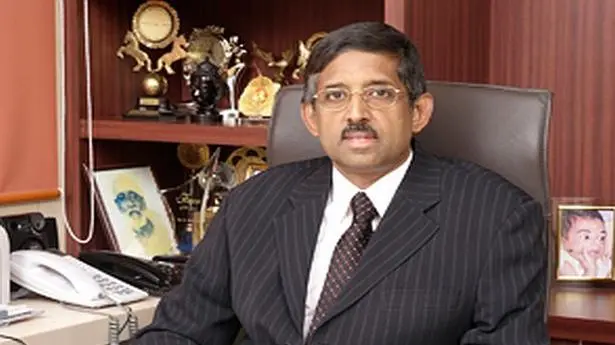
“Through these AI powered innovations, we offer expert medical advice accessible to everyone round the clock. These tech enabled next-generation platforms will offer real-time solutions about diabetes care and dispel myths for the benefit of our people,” V Mohan, Chairman & Chief Diabetologist, Dr Mohan’s Diabetes Specialities Centre, said in the release. 

RM Anjana, MD, Dr. Mohan’s Diabetes Specialities Centre said, “With the increase in smartphone penetration at every household and seamless data connectivity, healthcare transcends beyond just physical care. Large volumes of digital health-care data with deep learning paves the way for deployment of bots to facilitate the use of technology to provide information and assist our patients.”


Source link

Diamond-based coating for gun barrels

Diamond-based coating for gun barrels


The science of coating surfaces to increase their ability to withstand wear and tear and, sometimes, impart lubrication has immensely helped industry. The newly launched Advanced Conformal-Coating Technology (AdCoaTech) lab at IIT-Madras is developing technologies to give Indian defence capabilities an ‘atmanirbhar coat’.

The AdCoaTech lab was set up jointly by DRDO-CVRDE lab and IIT in August. “This is the first-of-its-kind set-up in any academic institute in India for physical vapour deposition technique for conformal coatings on the inner surface of long cylinders and tubes,” says Dr N Arunachalam, Associate Professor, Manufacturing Engineering Section, IIT-M.

As India aims for self-reliance (atmanirbharta) in defence production, it would manufacture more weapons such as guns and tanks. As bullets and shells shoot through barrels, the friction generates tremendous heat. If a machine gun fires 100 rounds rapidly, the barrel can glow red hot — that’s why they have ‘barrel shrouds’ for the gunner to grip it safely. There is the same problem in the barrels of tanks and artillery guns.

It would greatly help if the insides of the barrels were ultra-smooth to reduce friction (and hence heat).

This calls for a suitable coating material for the insides of the barrels that can give both hardness and lubrication properties. Such coats find use in several other areas too. For example, the insides of the cylinders that house the pistons attached to a tank’s wheels — the up-down motion creates tremendous heat and wear-and-tear.

There are many methods for coating surfaces. Coating materials are deposited onto surfaces physically, chemically, in the form of plasma, or by cold spray — all of which are extensively used in industry — but coating the insides of surfaces is a challenge. The research in this area is for developing ‘recipes’ and the equipment that will do the coating. AdCoaTech lab has developed such coating equipment in collaboration with Excel Instruments, Mumbai.

As for the recipe, Dr Arunachalam’s team uses what is called ‘diamond-like carbon’. Diamond is the hardest material in the world, but how do you get it to stick to surfaces. Besides, aren’t they expensive? Well, no. In science, diamond is not necessarily a shining stone; it just refers to a particular structure of arrangement of carbon atoms.

Carbon atoms make three types of bonds — sp1, sp2 and sp3. “The bonding arrangements between carbon atoms produce different types of carbon allotropes such as graphite or diamond,” notes Prof Abdul Wasy Zia, of the City University of Hong Kong, in a 2020 scientific paper. In graphite, the carbon atoms form sp2 bonds with neighbouring carbon atoms to form a honeycomb-like structure. But if the bonds are of sp3 type (formed under extreme pressure and temperature), carbon exists as diamond. Diamond is very hard — around 100 giga pascals, as compared with graphite’s 3 GPa.

‘Diamond-like carbon’ coatings are a mixture of sp1, sp2, and sp3 carbon. The more the sp3, the better the tribological characteristics. ‘Diamond-like carbon’ coatings have been used in industry for long. However, IIT-M is perfecting the technology for defence applications — the collaboration with DRDO will develop complex coatings for the special needs of the defence forces. “The aim of this project is to develop diamond-based coating technologies, which are essential for DRDO’s immediate and future needs for defence components,” says Dr Arunachalam.

Prof MS Ramachandra Rao of the Department of Physics at IIT-M says the AdCoaTech lab has “produced innovative technology to develop diamond-based coatings on inner surfaces of industrial-scale cylinders, which conventional coating technology cannot achieve”. He said the coating dissipates heat and can withstand tremendous loads. “Pneumatic and hydraulic systems, aerospace parts, and defence vehicles are a few of the applications for these coatings,” Prof Rao said.


Source link

Chennai start-up makes DNA extraction easy

Chennai start-up makes DNA extraction easy


Medical treatment is increasingly into genetics. Your medicines are customised for your genetic composition. DNA extraction has become important for studying the genetic causes of diseases; it is also needed for forensic science, genome sequencing, and detecting pathogens such as bacteria and viruses.

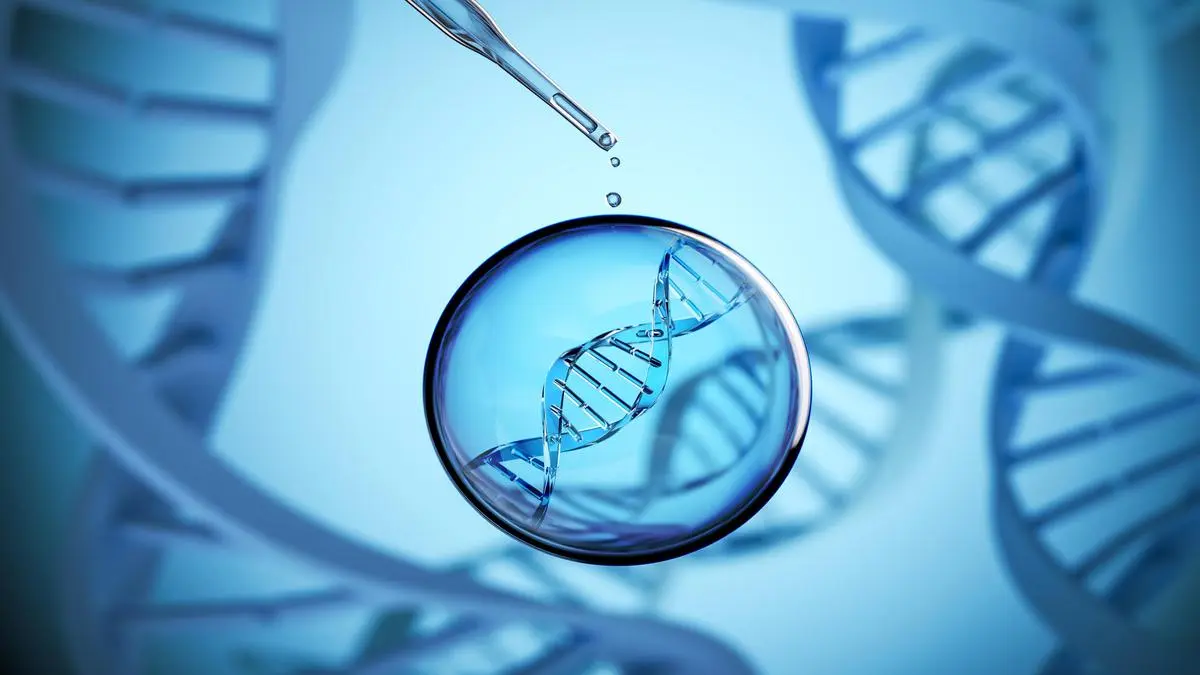
DNA — a very large molecule of phosphates, sugars and nucleic bases — is predominantly found in the nucleus of every body cell (human, plant, animal and microbe), but also present in mitochondria (a cell organ) and in the bloodstream (called cell-free DNA).

Extraction of DNA for study has been done for ages. But today, the quest is for newer DNA extraction technologies that are easier, more precise, and cheaper.

Chennai-based start-up MagGenome has come up with a new technology that makes DNA extraction ridiculously easy. The method, which can be equally used to extract RNA and proteins, is simple: make iron nanoparticles, get them to attach themselves to DNA, and apply a magnetic field. When the iron nanoparticles get pulled by the magnetic field, along come the DNA. Get rid of the nanoparticles and you have the DNA.

The science behind the technology essentially revolves around getting the nanoparticles to attach to the DNA.

Dr CN Ramchand, CEO, MagGenome Technologies, told  Quantum that scientists have, in recent years, developed a range of nucleic acid extraction systems, but they are based on magnetic nanoparticles that are coated with chemicals like ethylene glycol and citrates. Coating nanoparticles is expensive and time-consuming; using uncoated nanoparticles is also more effective because, with a high surface-to-volume ratio, they bind better with DNA/RNA/proteins. A few companies such as Thermo Fisher Scientific, QIAGEN, Beckman Coulter, and Omega Bio-tek use coated nanoparticles, but Ramchand says MagGenome is the only one that uses uncoated nanoparticles.

How it works

First the cell wall (membrane) is broken (a process called ‘lysis’) by special detergents; the contents of the cell spill out. All the proteins and other cellular matter are removed through enzymatic treatment — various enzymes combine with different cell organelles and are washed away. Once these ‘contaminants’ are removed, a unique formulation of DNA condensing agents, salts and magnetic nanoparticles are added. The nanoparticles attach themselves to the DNA, which can be magnetically separated.

MagGenome Technologies sells DNA/RNA/protein extraction kits. (An associate company provides DNA extraction service.) The technology was incubated in SciGenom Labs, Kochi; the company was incorporated in 2018 and received $3 million funding from Emerge Ventures, Singapore. Ramchand says it has been profitable since 2021. He says that with new diagnostic tools like liquid biopsy for cancer and non-invasive prenatal testing using new-generation sequencing becoming popular, “we see good prospects for our business”.


Source link

Dredging up eDNA

Dredging up eDNA


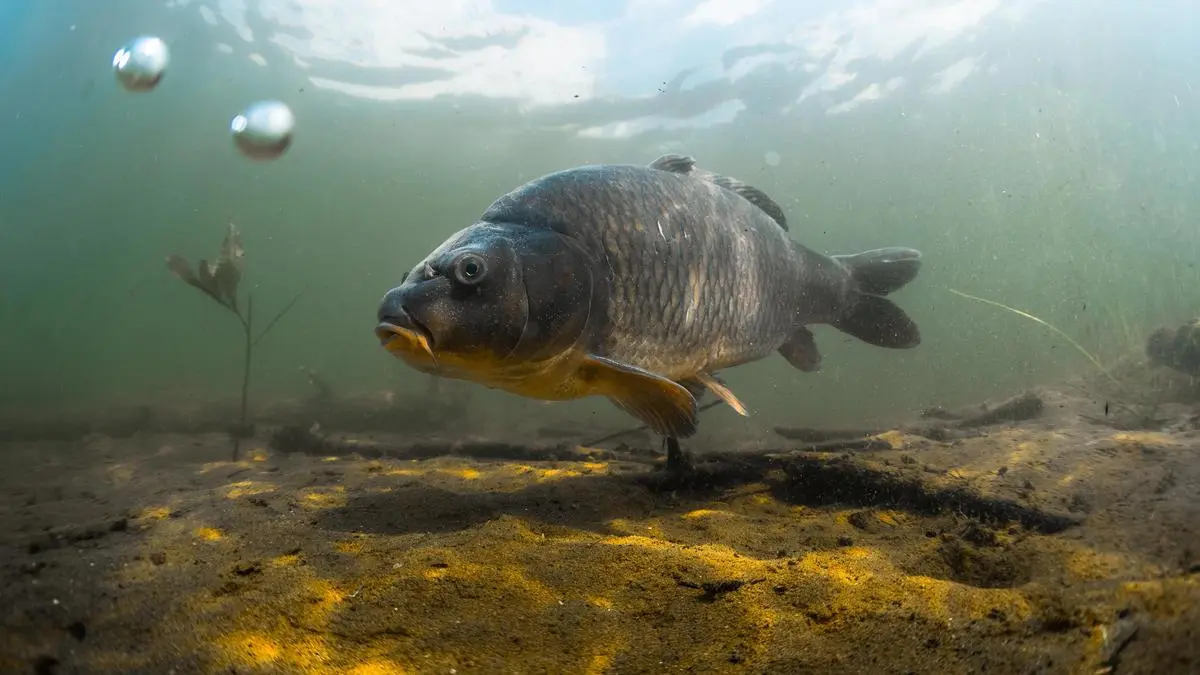
All living beings, from man to microbes, have DNA in their bodies. They also keep shedding bits of the material into the environment. Scientists have now hit upon the idea of collecting this environmental DNA, or eDNA, in the depths of the seas to identify what lives there — a simpler method than having to go down there to study.

Stories are seeping out of scientific journals about how scientists are using eDNA to survey biodiversity in rivers, lakes and oceans. Apart from giving a biodiversity picture, such study could also yield early clues to invasive species.

eDNA can also reveal the presence of human remains. Scientists have collected samples of seawater from the vicinity of a plane wreck — the American aircraft was shot down near Japan during the Second World War — to look for floating eDNA.

(For more on DNA extraction, see ‘Chennai start-up makes DNA extraction easy’.)

Conservation efforts are predicated upon monitoring, which has traditionally meant the physical identification and counting of species. Imagine doing this over thousands of square kilometres under the seas! Technologies such as Quantitative Polymerase Chain Reaction (qPCR) determine whether the eDNA in a sample corresponds to a particular species. Scientists believe that eDNA, coupled with DNA sequencing, can pinpoint what lies beneath.


Source link

How India can vie with top patent filers

How India can vie with top patent filers


India targets becoming a global manufacturing hub and spawning high-tech innovation laboratories. Post the Covid-19 pandemic, the country is also poised to promote traditional medicine. That calls for a larger and efficient patent office, to avoid fighting intellectual property claims, as happened with turmeric.

India aims to be among the top 25 on the global innovation index of the UN’s World Intellectual Property Organization. Its ranking improved from 81 in 2015 to 40 in 2022. The 2022 index ranks India first in patent applications in the ‘lower-middle income’ category and Central and South Asia. The number of patents filed has increased more than 50 per cent since 2015 — from 42,763 to 66,440.

The number of domestic filings by Indian applicants has, for the first time in 11 years, surpassed those filed by non-Indians. Also, the number of patents granted in 2021-22 stands at 30,074, compared with 5,978 in 2014-15.

India desires to become an upper-middle income economy by 2047, a trillion-dollar digital economy by 2026, and a $10-trillion national economy by 2034. It is also a leading contender for membership in the expanded or reformed UN Security Council. But ‘national security’ cannot be seen solely in the context of military strength but also technological capabilities, domestic security, foreign policy, and economic security. To address these, India must eye not only the Security Council but also another distinct group of five, the top five IP filers of the world.

Innovate, collaborate

In 2007, the Korean Intellectual Property Office, Japan Patent Office, China National Intellectual Property Administration, the European Patent Office, and the United States Patent and Trademark Office collectively formed the IP-5. They account for more than 80 per cent of global patent applications and 95 per cent of applications filed under the Patent Cooperation Treaty of 1970.

The IP-5 engages in harmonising the voluminous patents filed among them and promoting a user-friendly, cost-effective, and efficient international patent landscape. The IP-5, including Germany and the Netherlands, has championed technologies like computers, precision instruments, audiovisual devices, digital communications, medical instruments, transportation, energy devices, and electrical machinery.

India is sure to become an active patent applicant in these domains, but this calls for competitiveness in raw material supply chain, R&D, global finances, and regulating high-end manufacturing. India needs such dexterity to become an international champion of innovations, say from Industry 4.0. Therefore, a larger patent office must not only be seen as one that efficiently churns out IP but also functions as India’s sentinel, watching the international IP governance landscape that feeds into the nation’s geostrategic decision-making.

India seldom made such efforts during the past 75 years. It is perplexing that despite its vast presence in India for long, the United Nations has never set up a WIPO external office here. On the other hand, the WIPO runs external offices in Algeria, Brazil, China, Japan, Nigeria, Russia, and Singapore outside its headquarters in Geneva. The WIPO is a specialised agency of the United Nations Economic and Social Council (UN-ECOSOC), one of the six principal organs of the UN. India had a significant role in its establishment.

The India connect

A less known fact is that the UN-ESOSOC’s first president was an Indian — Arcot Ramasamy Mudaliar, the last Diwan of Mysore and a member of the Viceroy’s Executive Council of India. Mudaliar used his position as council member to establish the Council of Industrial and Scientific Research (CSIR) in 1942. Today, CSIR’s labs are among the top patent applicants in India. Mudaliar was ECOSOC’s president twice — in 1946 and 1947.

It was only much later, in 1990, that an Indian — the diplomat Chinmaya Gharekhan — again headed this body; neighbouring Pakistan has presided over ECOSOC six times.

India will undoubtedly need a larger patent office peopled by innovation analysts and technocratic diplomats representing the country’s interests and worldviews in various IP bodies. Only then will we be able to pull up a chair to the IP-5’s high table.

(The writer is Space Domain Consultant, Research and Information System for Developing Countries, New Delhi. Views are personal)


Source link

New material for transparent electrodes

New material for transparent electrodes


A new material that possesses high transparency in the visible and near infra-red (NIR) range and is also highly conducting could have promising application as transparent electrodes (TEs) in optoelectronic devices.

TEs are one of the critical components of optoelectronic devices and are based on materials that can be tuned to become simultaneously optically transparent and electrically conductive. These fundamentally contrasting attributes make it applicable in areas extending from energy generation and emission devices to gas sensors, low-emissivity windows, thermoelectric generators, and flat panel displays.

The most widely used TEs are based on metal oxide thin films like tin-doped indium oxide (ITO), fluorine-doped tin oxide (FTO), and aluminium-doped zinc oxide (AZO), with ITO extensively used for its high optical transparency in the visible range and low electrical resistivity.

Alongside the relatively low NIR transparency of the metal-oxide TEs, the scarcity, high cost and cytotoxicity of tin, toxicity of fluorine, and poor chemical stability of zinc oxide necessitate the development of new high-NIR transmittance TE with high visible transparency.

The development of infrared (IR) transparent electrodes (specifically in the near-infrared range) is crucial for improving the efficiency of certain optoelectronic devices and opening up applications in emerging areas like IR photodetectors, IR switching devices, sensors, and modulators for telecommunication.

Researchers at IIT-Gandhinagar, have developed a material with high transparency in the visible and NIR range that is highly conducting. Moreover, its abundance (hence cost-effectiveness), non-cytotoxicity, and chemical inertness make it a promising alternative, says a press release.

Low-cost stroke diagnosis

Researchers at the Indian Institute of Technology, Mandi, in collaboration with PGIMER Chandigarh have developed a simple, portable and cost-effective device to detect and diagnose stroke caused by impaired blood flow to the brain.

Ischemic stroke caused by insufficient or interrupted blood supply to parts of the brain affects one in 500 Indians each year.

Surveys have shown that 10-15 per cent of all strokes affect people below 40 years of age. The efficient management and treatment of stroke depends upon early identification and diagnosis.

Currently, magnetic resonance imaging (MRI) and computer tomography (CT) techniques are considered the gold standard for ischemic stroke detection. While these are indeed reliable methods, they require considerable infrastructure and high cost, and are inaccessible to many in India — there is only one MRI service for every one million people in the country.

“We are working towards finding a low-cost diagnostic technique to precisely detect ischemic stroke at the point of care so that such tests can be used in rural, poor and remote areas.

“Our team has designed and developed a small wearable device that makes use of near-infrared spectroscopy to detect ischemic stroke.

“In this device, a near-infrared light emitting diode (NIRS LED) emits light in the range of 650 nm to 950 nm. This light interacts with the coloured components of the blood like haemoglobin and provides information on blood characteristics such as regional oxygen saturation, regional oxygen consumption, and regional blood volume index,” says Dr Shubhajit Roy Chowdhury, Associate Professor, IIT-Mandi.


Source link

YouTube
Instagram
WhatsApp