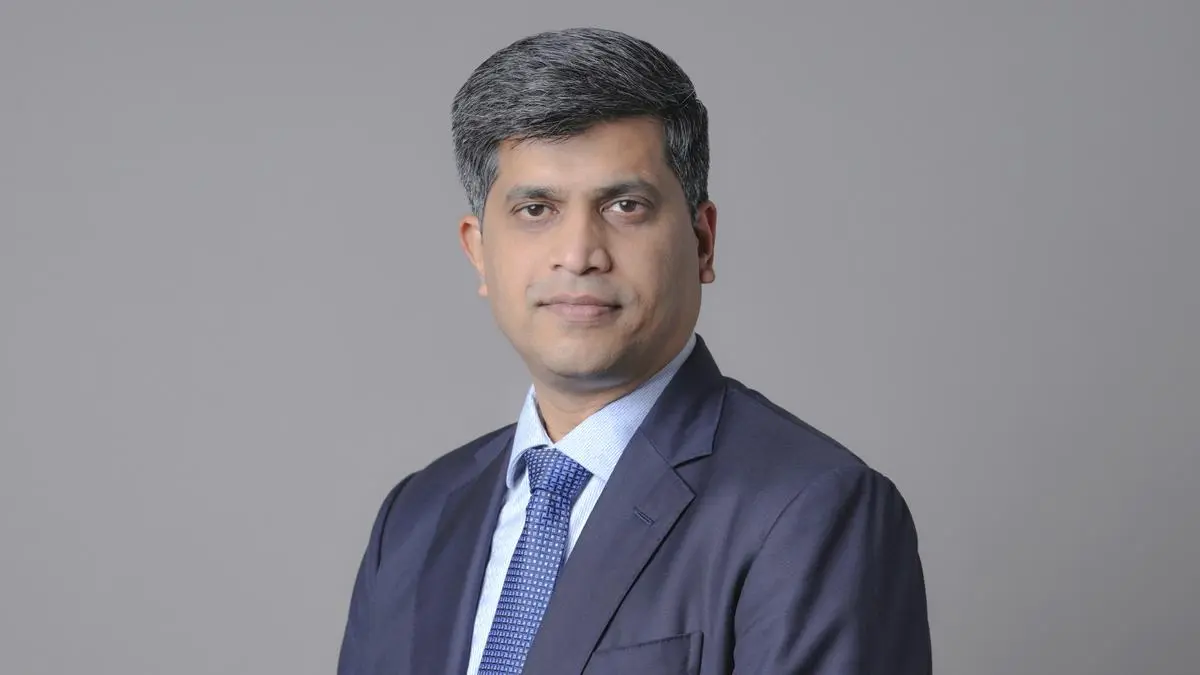
Star Health and Allied Insurance, a market leader in the country’s retail health insurance space, is planning to increase annual premium by high single digit in this fiscal, says its Chief Financial Officer Nilesh Kambli. In an interview with businessline, Kambli said the insurer is looking to maintain its market share or improve it marginally in FY27. Edited excerpts:
Star Health and Allied Insurance’s combined ratio for both the last financial year and for the last quarter improved. While the ratio improved 230 basis points at 98.8 per cent for FY26, it improved 270 bps at 95.7 per cent for Q4FY26. What were the reasons?
There was a sharp improvement in the loss ratio. The loss ratio improved by around 200 basis points for the last financial year. If you remember, FY25 was not a good year for us, and it was mainly for two reasons. First was group business — whatever we had written was highly loss making. So, during the last half of FY26, we had given up group businesses. So, in the group segment we saw roughly a 12 per cent improvement in the loss ratio. The proportion of that business is only 5 per cent. The balance loss ratio improvement came from retail business. If you remember, we had been mentioning about multiple things — growth in the new business, the price hikes that we have taken on last year on 65 per cent of the portfolio. Moreover, we had brought up multiple things to improve the claims efficiency to improve customer experiences. Like home healthcare services, telemedicine services, preventive and wellness initiatives. Also, fraud, waste and abuse is something which is very rampant when it comes to retail business. We had done a lot of things to improve that area as well. So, claims efficiency also gave us good benefits. And the last and the least is the underwriting. Also, we have been focusing on quality business. We are happy to give up some market share, but not do businesses which are risky, and where the inflation is higher, incidence of fraud is very high. The portability business is one segment which we have avoided. So, all these things have led to an improvement in the loss ratio.
In the current financial year, what is the combined ratio that you are looking at?
What we have stated is in FY28 we will have a mid teen to high teen return on equity (RoE). We are not giving any quarterly or yearly guidance. We had given long-term guidance of increase in the topline as well as bottomline, and that is what we are focusing on. We are mainly focused on RoE targets because expense ratio and claims ratio depend upon various regulations and various market conditions. So, we don’t want to comment on any individual things, but the combined ratio should continue to improve is what I can mention. We continue to grow our new business. Especially after the GST exemption, we have seen good growth in the new business. We believe, not at the same level, but the momentum should continue, and we should continue to grow our new business, especially in tier three cities where we have a very strong business and the under penetration is there when it comes to health insurance.
What kind of annual insurance premium increase is the company planning for this fiscal?
We will take price increases on an annual basis. So, for the current year also we have planned for certain price increases. Roughly 80 per cent of the portfolio will undergo price increase for FY27. It will help us beat inflation. In the last financial year, the average price increase on portfolio was eight to nine per cent — high single digit. We would take a similar price increase in the current year.
In the retail health segment, Star Health and Allied Insurance’s market share is the highest in the country. What are the company’s plans to increase the market share further in FY27?
Currently, we have 31.4 per cent market share in retail health. It was around 31 per cent for the last three-four years now. In spite of the competition, we do only profitable business. We don’t do businesses in loss making areas, we are still making that market share. So, it is by design, we are happy to let go around 60-70 basis per market share. But as long as we are profitable, we are fine with it. We expect the market to grow 15-18 per cent range going forward, and we are growing at a similar range. So, we should maintain the market share, or may be marginally improve it.







