West Bengal’s OBC reservation policy has undergone a significant overhaul after the state Assembly passed two amendment Bills reducing the reservation quota from 17 per cent to 7 per cent by retaining only 66 communities in the OBC list. As part of the revision, 113 communities have been removed from the list, restoring a structure similar to the one that existed when OBC reservation was first introduced in the state in 1994.
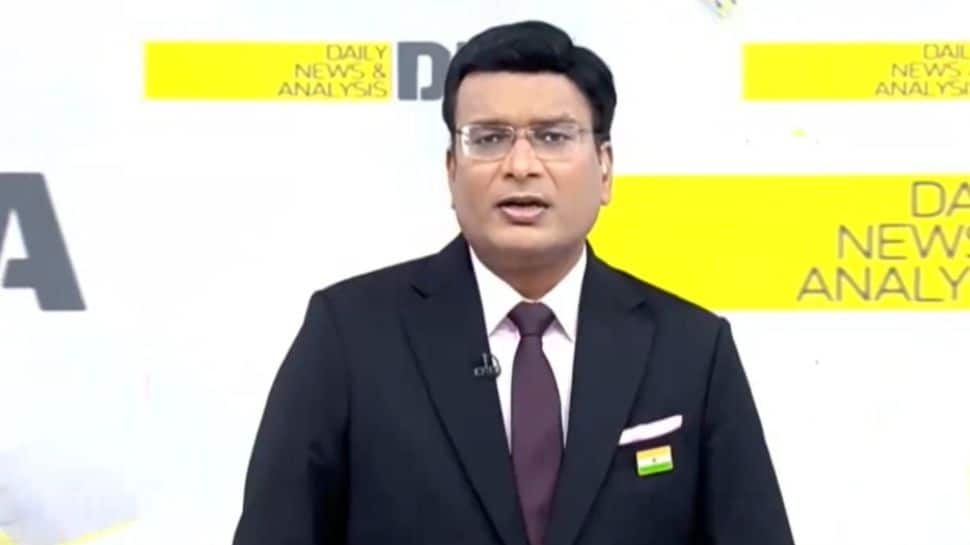
In today’s episode of DNA, Rahul Sinha, Managing Editor of Zee News, conducted a detailed analysis of the changes to West Bengal’s OBC reservation policy, explaining the evolution of the reservation framework, the legal developments surrounding it, and the impact of the latest amendments.
Under the revised framework, the OBC list now consists of 66 communities, including 54 Hindu and 12 Muslim communities. Earlier, the 17 per cent reservation covered 179 communities, of which 118 were Muslim communities and 61 were Hindu communities.
Although the reservation quota has been reduced to 7 per cent, the government has stated that any community seeking inclusion in the OBC list can apply before the West Bengal Backward Classes Commission, which will conduct a survey and recommend eligible communities to the state government.
The state’s OBC reservation system was introduced in 1994 during the Left Front government with a 7 per cent quota covering 66 communities. In 2010, the reservation was divided into OBC-A and OBC-B categories, and the process of adding more communities, including Muslim communities, began by citing the Ranganath Mishra Commission report.
After the Trinamool Congress came to power in 2011, another 113 communities were added, taking the total to 179, while the OBC reservation quota was increased from 7 per cent to 17 per cent.
The revised policy follows a series of legal challenges. In May 2024, the Calcutta High Court cancelled all OBC certificates issued after 2010, observing that several communities had been included without adequate surveys to determine their backward status.
The National Commission for Backward Classes had also raised objections to the state’s OBC list. After the High Court stayed subsequent additions to the list, the Mamata Banerjee government approached the Supreme Court. The present government has now reversed the changes made after 2010 while retaining those Muslim communities that continue to qualify under the revised OBC list.
Stay informed on all the latest news, real-time breaking news updates, and follow all the important headlines in india news and world news on Zee News.







